MyFitnessPal vs calorietrack.ai, database vs AI photo.
These two tools solve the same problem in opposite ways. MyFitnessPal is a database tracker. You search a very large food library and log entries by hand or with a barcode scanner. calorietrack.ai is a photo-first AI tracker. You snap a picture of your meal and get calories and macros back. This MyFitnessPal vs calorietrack.ai comparison covers logging method, accuracy, free tier, platform, and ads, so you can pick the workflow you will actually keep up with.
The verdict
in one paragraph.
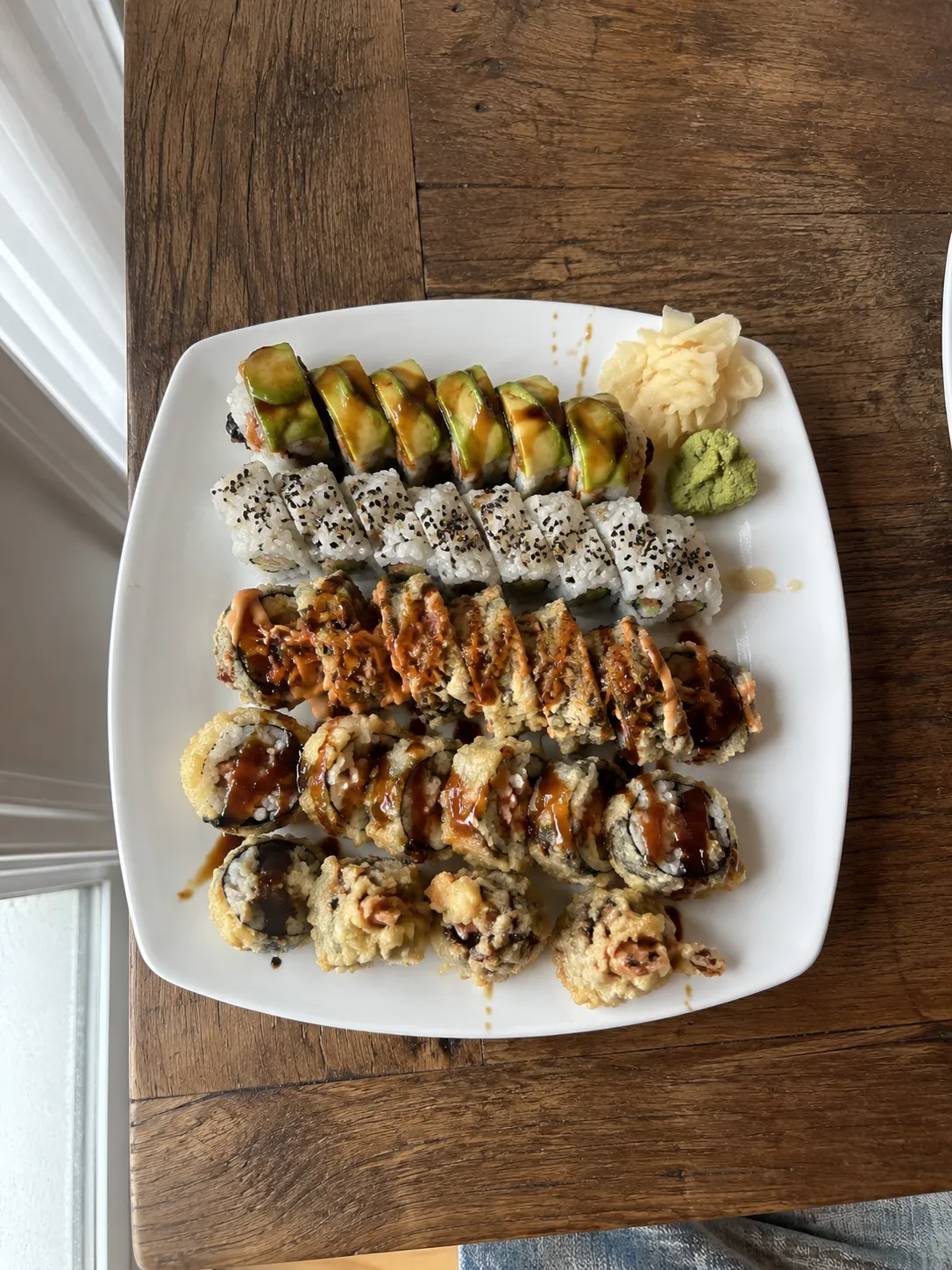
If you like searching a database and want the largest food library with cross-platform native apps, MyFitnessPal is the established choice. If you would rather skip the search box and just photograph your plate, on a free web tier with a published accuracy benchmark, calorietrack.ai is the lighter pick. The honest tiebreaker is which logging style you will keep doing every day, because the meals you skip logging cost you more accuracy than the model ever will.
As of June 2026, MyFitnessPal also offers an AI photo feature, so the line is blurrier than it used to be. The difference is emphasis. calorietrack.ai is photo-first, MyFitnessPal is database-first.
Logging, accuracy, free tier, platform, ads.
| Dimension | MyFitnessPal | calorietrack.ai |
|---|---|---|
| Logging method | Database search and manual entry, plus a barcode scanner | AI photo logging. Snap a meal, get calories and macros |
| Accuracy | Depends on the database entry you pick. No published RD benchmark | Benchmark target: within 8% of a registered dietitian |
| Free tier | As of June 2026, a free tier exists. Check what is included now | Free-forever web tier, no signup required to try |
| Platform | iOS, Android, and the web | Web plus iOS. The web app installs to your home screen |
| Ads | As of June 2026, the free tier is ad-supported. Check the current experience | No ads on the free web tier |
Where MyFitnessPal wins.
MyFitnessPal earned its reputation on the size of its food database. For packaged foods, chain items, and obscure ingredients, there is a good chance someone has already entered it, and the barcode scanner makes packaged logging quick. If you prefer the control of choosing an exact database entry, that workflow is hard to beat.
It is also genuinely cross-platform, with native iOS and Android apps plus the web. And it has years of community recipes and integrations. As of June 2026, the free tier is ad-supported and some features need a paid plan, so check the current MyFitnessPal plan before you count on a specific capability.
Where calorietrack.ai wins.
calorietrack.ai removes the search box. You snap a photo and the AI estimates calories and macros, then you can ask the coach what to eat next. For mixed plates and home cooking that do not map cleanly to a single database entry, photo logging is often faster than hunting for the right row.
The free web tier needs no card and no signup to try, and it carries no ads. It publishes a specific accuracy benchmark you can check rather than a general promise. The main tradeoff today is platform: there is no native Android app yet, though the web app installs to your home screen.
The one number we publish.
Database accuracy depends on the entry you pick, so two people logging the same meal in MyFitnessPal can land on different numbers. calorietrack.ai instead publishes a measured target against a registered dietitian.
You can read how that number is measured on our methodology page and see the underlying comparison on the accuracy study. We do not assert an accuracy figure for MyFitnessPal, because it does not publish a comparable benchmark.
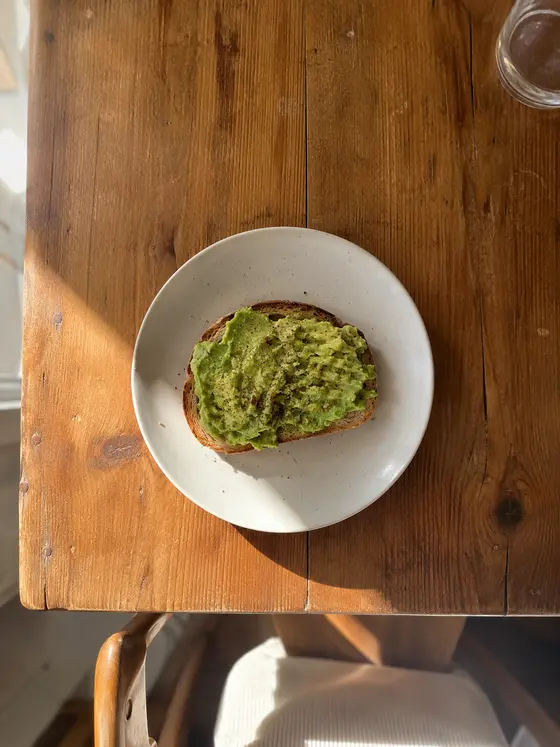
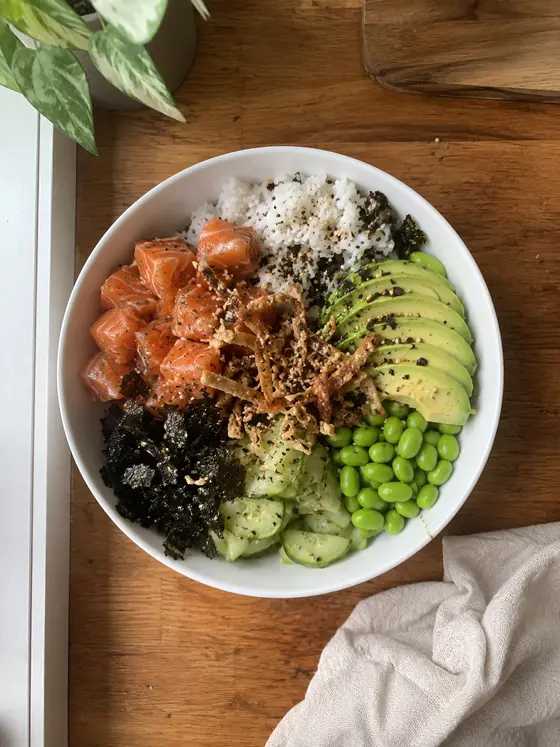
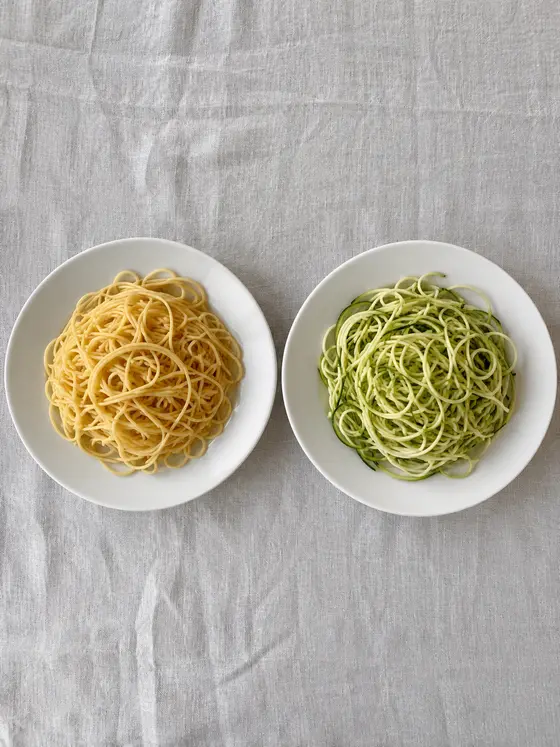
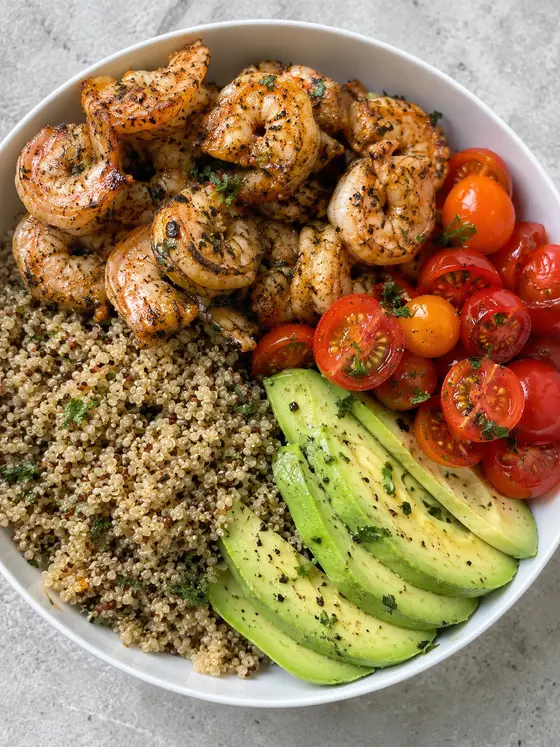
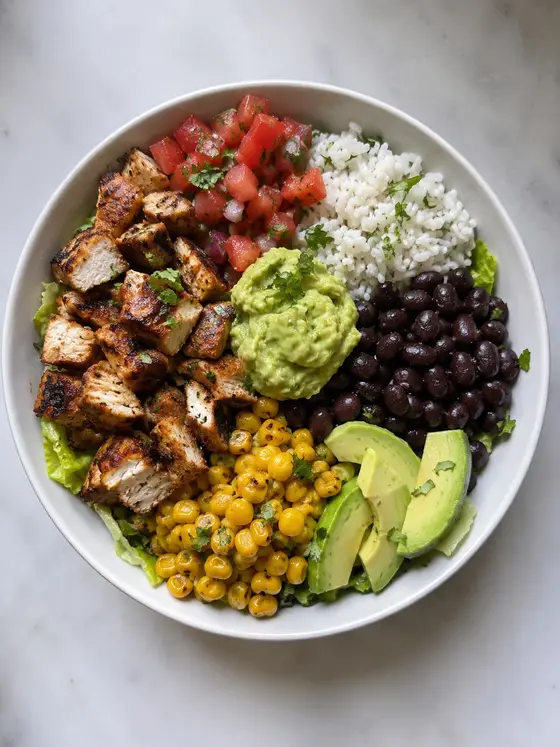
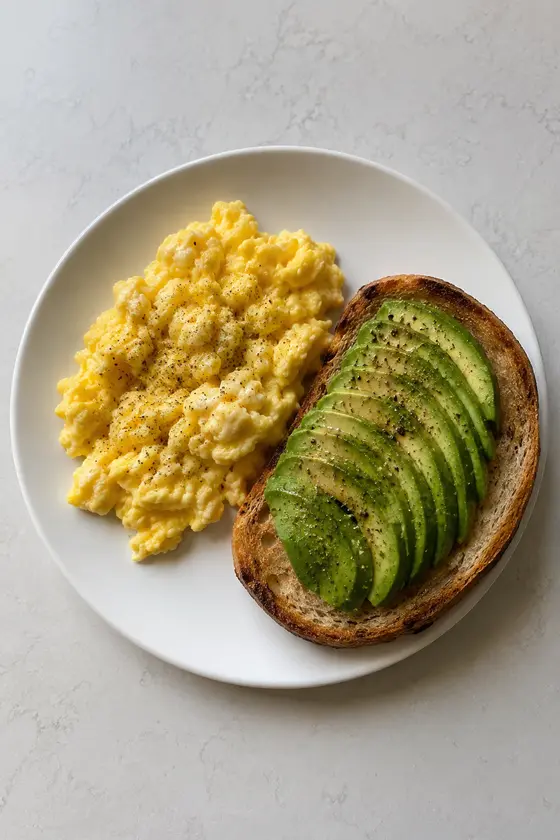
It works on whatever you are eating.





Questions, answered.
Keep reading.
- 01MyFitnessPal alternativesLighter, AI-first options to MyFitnessPal, compared.
- 02Cal AI vs calorietrackSide-by-side on accuracy, price, and the free tier.
- 03FatSecret vs MyFitnessPalTwo free database calorie trackers compared, with an AI third option.
- 04Cal AI alternativesFree-forever options to Cal AI, compared by accuracy and price.
- 05What's the best AI calorie counter app?Honest pick by use case: iPhone, free tier, accuracy, Apple Health.
- 06How much does Cal AI cost?Cal AI pricing and subscription, with a free alternative.
Try photo logging free.
calorietrack.ai. No signup. No card. Snap a meal in any browser.