How to countcalories
To count calories, first set a daily target based on your goals, then log everything you eat by reading nutrition labels, weighing or estimating portions, and recording it consistently. Accuracy comes from doing it every day, not from being perfect on any one meal.
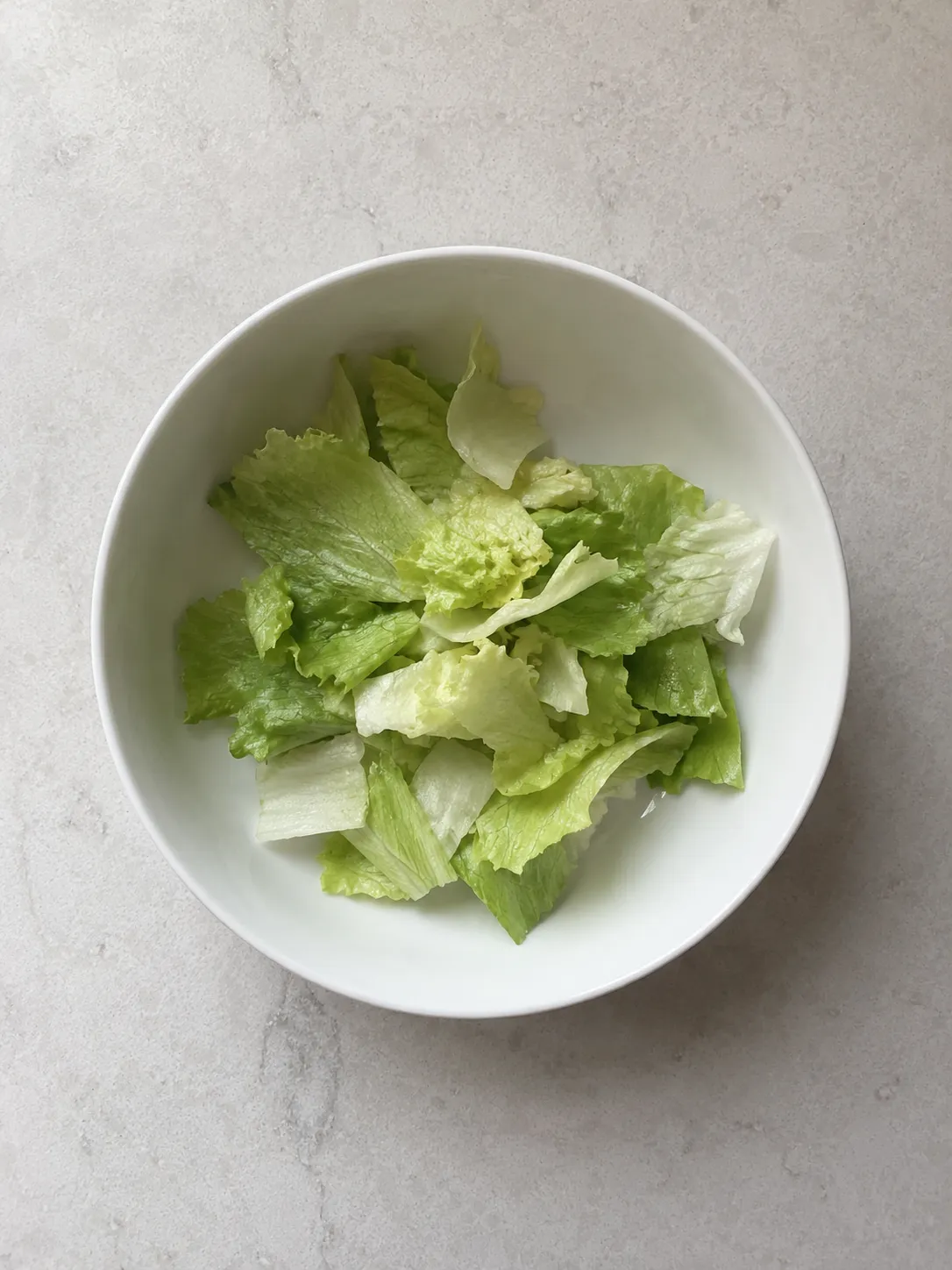
Counting calories comes down to four steps: find your daily target, read the numbers on your food, measure your portions, and log every item consistently. None of the steps is complicated on its own. The results come from doing all four regularly rather than getting any single meal exactly right.
The most common mistake is not bad math, it is inconsistency and underestimating portions. People forget the oil they cooked in, the handful of nuts, or the splash of milk, and those small omissions add up fast. A simple, repeatable system beats a precise one you abandon after a week.
Below is the step-by-step method, how to handle labels and portions, and the pitfalls that quietly wreck otherwise careful tracking. Photo logging, where you snap a picture instead of searching a database, can make the daily habit far faster to keep up.
Step 1: Find your daily calorie target
Before you count anything, you need a number to count toward. Your target is based on your maintenance calories, roughly how much you burn in a day, adjusted for your goal. To lose weight you eat a bit below maintenance; to gain you eat above it; to maintain you match it.
You can estimate maintenance with a calculator that uses your age, sex, height, weight, and activity level. A common starting point for weight loss is a deficit of about 300 to 500 calories a day, which is meaningful but not extreme. Treat the number as a starting estimate and adjust after a couple of weeks based on the scale and how you feel.
Step 2: Read labels and find the numbers
Packaged foods list calories per serving on the nutrition label, so check both the calorie figure and the serving size, since a package often holds more than one serving. If you eat two servings, you count double, which is an easy detail to miss.
For foods without labels, like fruit, plain meat, or a restaurant dish, you look the values up in a nutrition database. Public data from USDA FoodData Central underlies most reputable apps. Whole foods are usually well documented; mixed and restaurant dishes are rougher estimates, so expect more uncertainty there.
Step 3: Weigh or estimate your portions
Portion size is where most counting errors live. A kitchen scale is the most accurate tool, because calories scale with grams, and eyeballing tends to undercount calorie-dense foods like oils, nut butters, cheese, and grains. Weighing for a week or two also trains your eye for later.
When a scale is not practical, estimate with reference points: a palm of protein, a cupped hand of carbs, a thumb of fats. These are rougher, and it is smart to round up on calorie-dense items rather than down. The goal is honest estimates you can repeat, not false precision.
- Weigh calorie-dense foods (oils, nut butter, cheese, grains) whenever you can.
- Count cooking oil and dressings; they add up quickly and are easy to forget.
- Log liquids too, including juice, soda, alcohol, and milk in coffee.
- Round up rather than down when you are unsure.
Step 4: Log consistently and avoid the pitfalls
Consistency is what makes counting work. Log every item, ideally as you eat rather than from memory at night, and include the small extras. A day that looks 200 calories under target but omits the oil, the coffee creamer, and a few bites while cooking is not really under target.
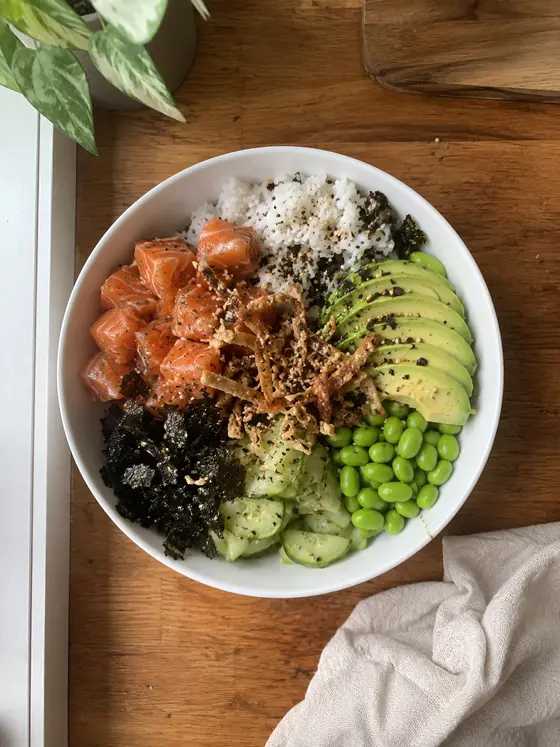
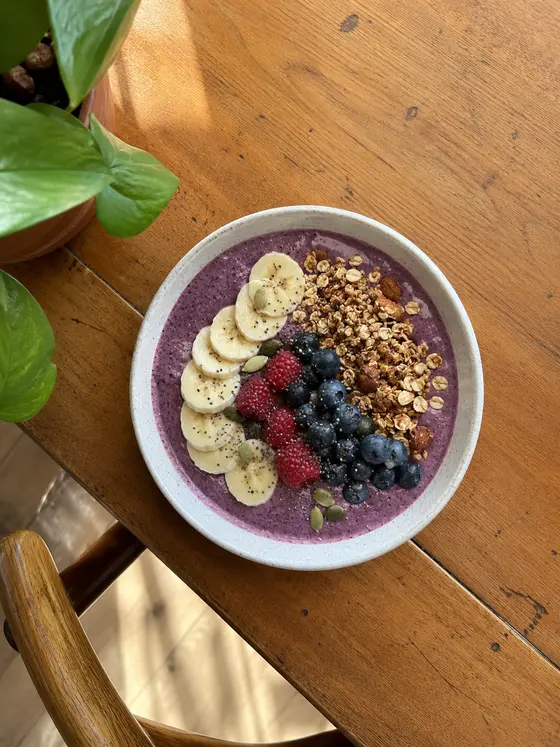
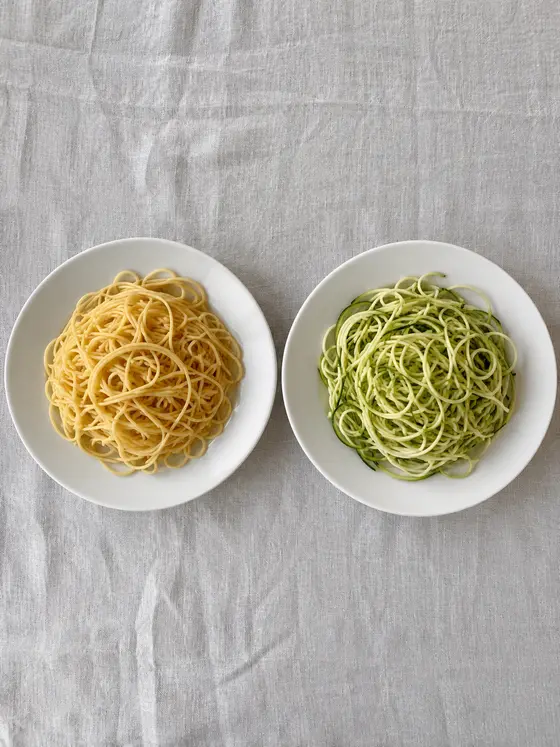
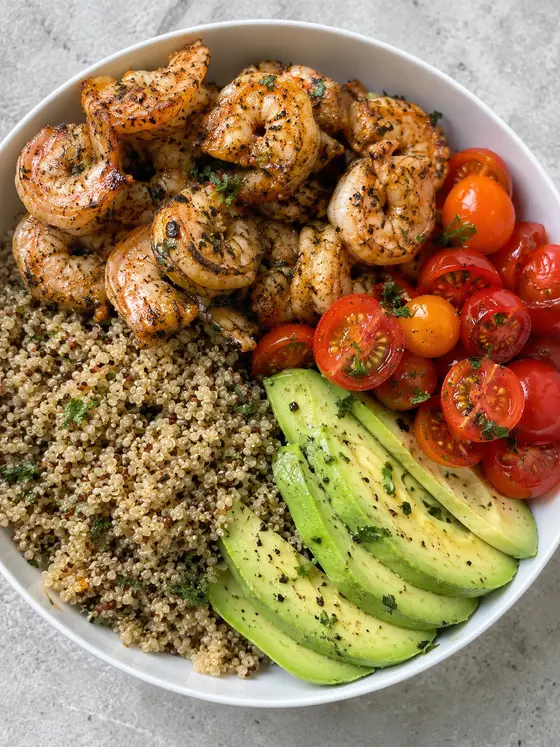
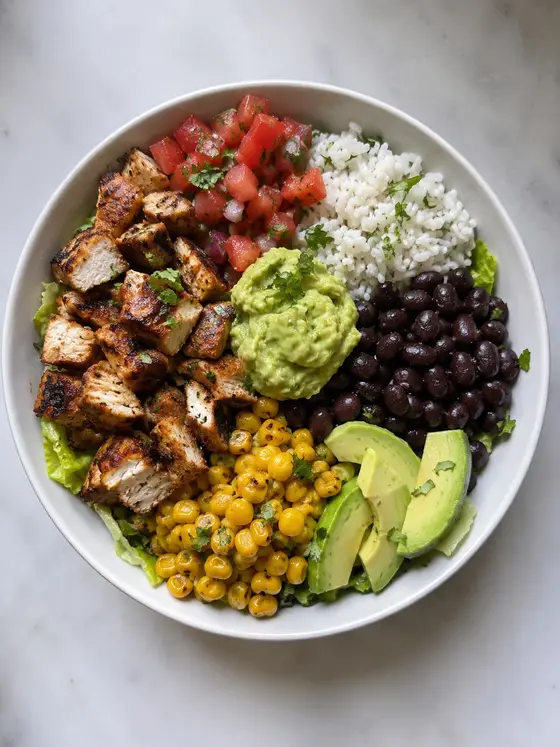
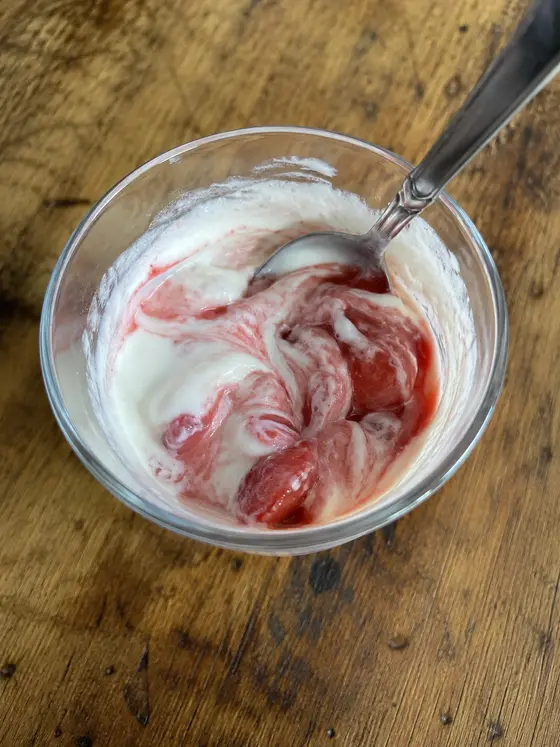
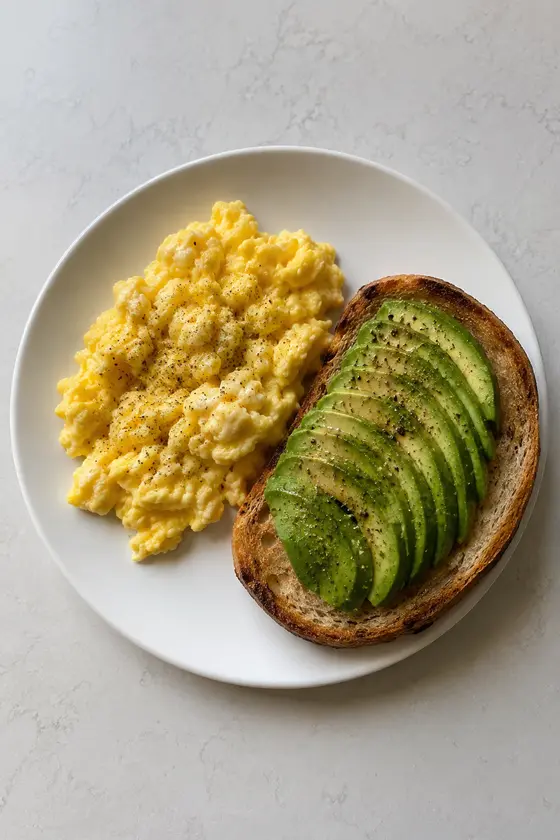
Searching a database for every food is the slowest part of the habit, and it is where many people quietly quit. Photo logging is a faster alternative: you snap a picture of the meal and let the app estimate the food and portion, then you adjust if needed. That shortcut is the whole idea behind calorietrack.ai, and it lowers the effort of staying consistent, which is the part that actually drives results.
| Food type | Hand reference | Approximate amount |
|---|---|---|
| Protein (meat, fish) | Palm | ~110 to 140 g |
| Carbs (rice, pasta, cooked) | Cupped hand | ~120 to 150 g |
| Fats (oil, nut butter, cheese) | Thumb | ~1 tbsp / ~15 g |
| Vegetables | Fist | ~1 cup |
Find your daily calorie target
Enter your age, height, weight, and activity level to estimate your maintenance calories and a target for losing, maintaining, or gaining. That number is what you count toward.
Open the calculatorLog it by snapping a photo.




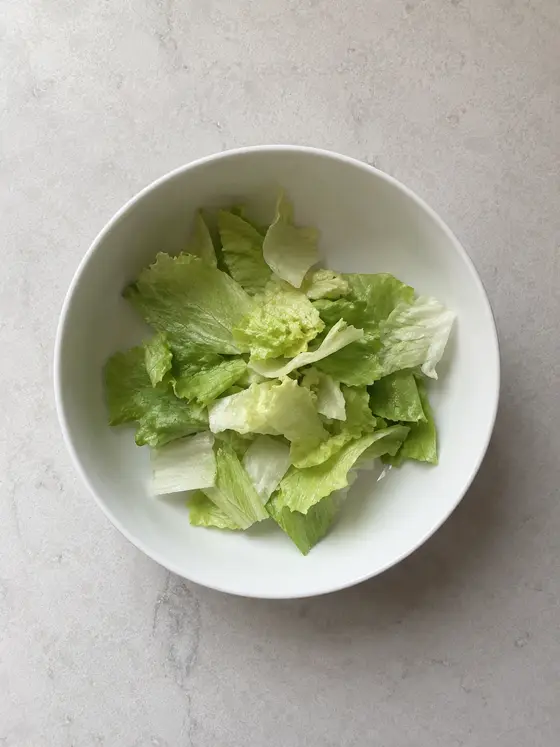
What this is based on.
- 01USDA FoodData Central. Public nutrition database underlying calorie values for whole and packaged foods.
- 02Dietary Guidelines for Americans. General guidance on energy balance and healthy calorie targets.
- 03Harvard Health Publishing. Practical guidance on portion sizes and calorie awareness.
Questions, answered.
Keep reading.
Skip the database search.
calorietrack.ai. Snap a photo of your meal to log calories in seconds. Free on the web, no signup.