Lose It vs MyFitnessPal, simple vs comprehensive.
Lose It and MyFitnessPal are both database calorie trackers, so the Lose It vs MyFitnessPal choice is less about how they work and more about how much you want. Lose It is the simpler, beginner-friendly option. MyFitnessPal is the broader one, with the largest food database and a deeper feature set. This page compares them fairly, then covers a third option for people who would rather photograph a meal than search for it.
The verdict
in one paragraph.
Pick Lose It if you want a clean, approachable tracker that does not overwhelm you, and you mostly log common foods. Pick MyFitnessPal if you want the largest database, more integrations, and more features, and you do not mind a busier interface. Both are solid database trackers, so the real tiebreaker is whether you value simplicity or breadth.
If neither approach appeals and you would rather skip the search box entirely, see the third option below.
Database, features, free tier, platform.
| Dimension | Lose It | MyFitnessPal |
|---|---|---|
| Best for | Simple, beginner-friendly tracking | The largest food database and more features |
| Food database | Solid library, smaller than MyFitnessPal | Very large database, including community entries |
| Logging method | Database search, barcode scanner, quick entry | Database search, barcode scanner, manual entry |
| Free tier | As of June 2026, a free tier exists. Check what is included | As of June 2026, an ad-supported free tier. Check current plan |
| Platform | iOS, Android, and the web | iOS, Android, and the web |
Where Lose It wins.
Lose It is built to be easy to start. The onboarding is friendly, the interface is uncluttered, and logging common foods is quick. For people who found other trackers overwhelming, that simplicity is the whole point, and it can be the difference between sticking with it and giving up.
It covers the essentials well: database search, a barcode scanner, and goal tracking, across iOS, Android, and the web. As of June 2026, some features sit behind a paid plan, so check the current Lose It pricing before relying on a specific capability.
Where MyFitnessPal wins.
MyFitnessPal strength is breadth. Its food database is very large, including a deep well of community-entered foods, so there is a good chance your item already exists. It also offers more features and integrations, which power users tend to appreciate.
That breadth comes with more interface to learn, and as of June 2026 the free tier is ad-supported with some features behind a paid plan. Check the current MyFitnessPal plan before you count on a specific feature.
What if you skipped the database entirely?
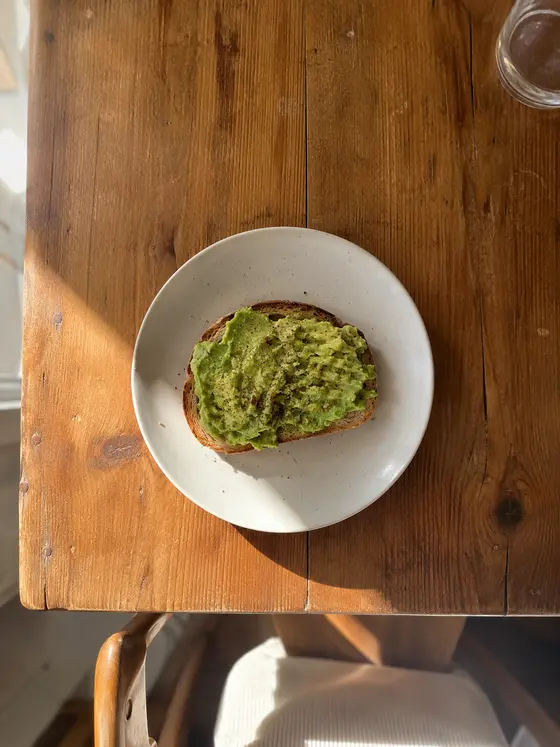
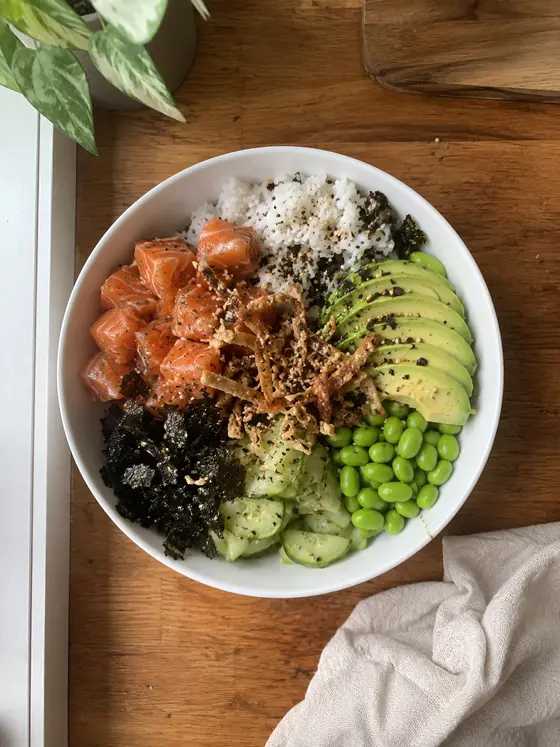
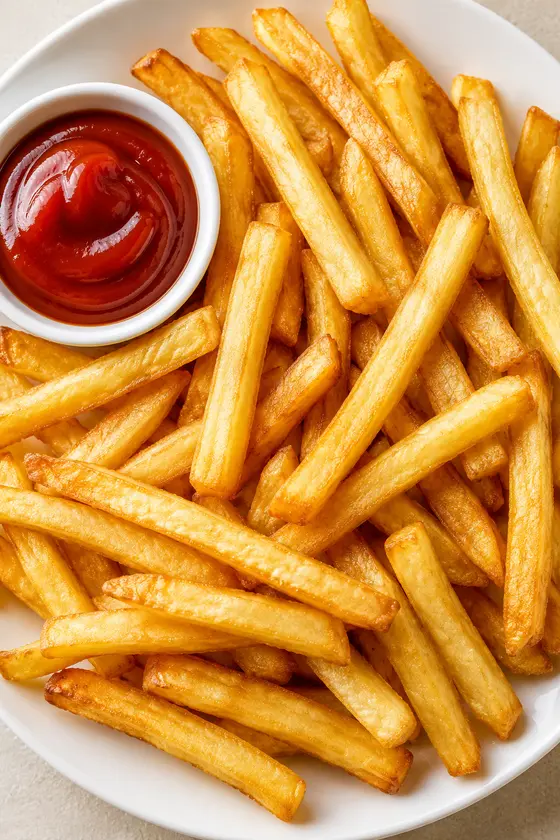
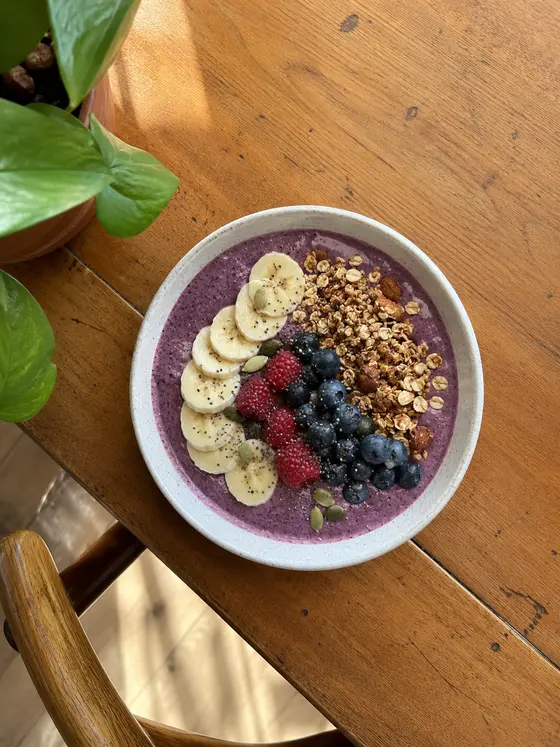
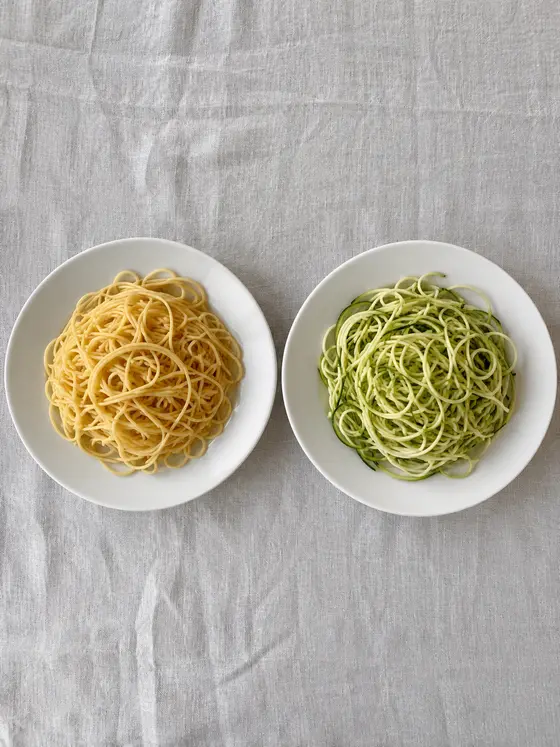
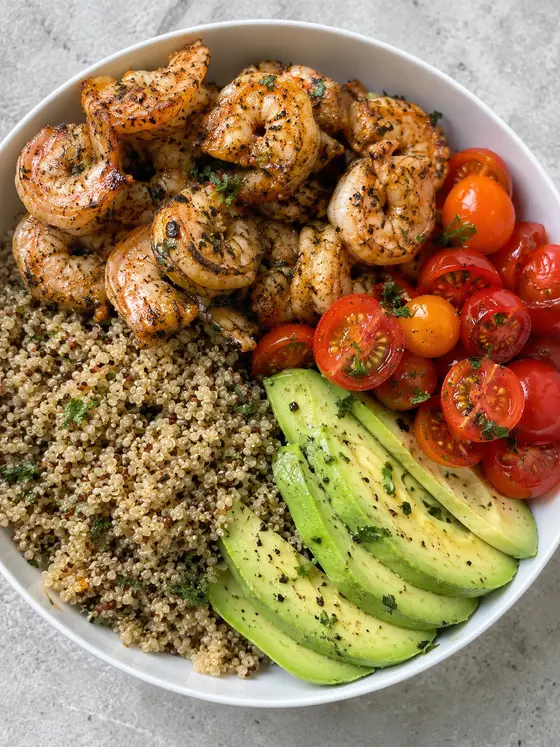
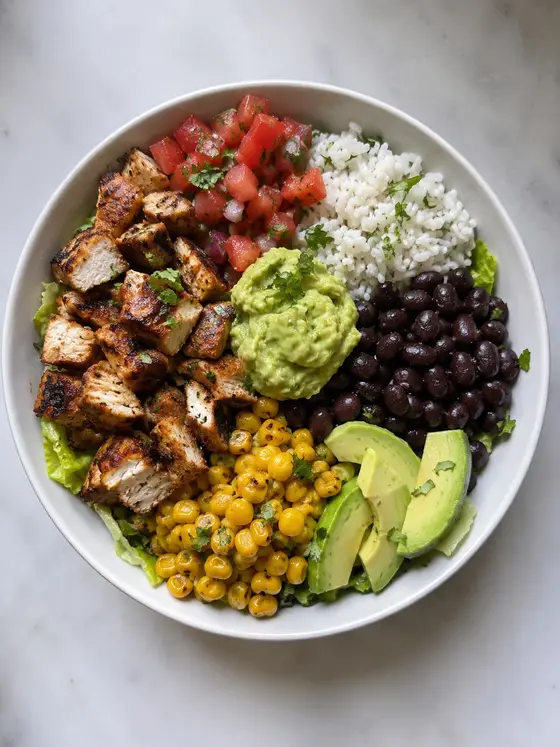
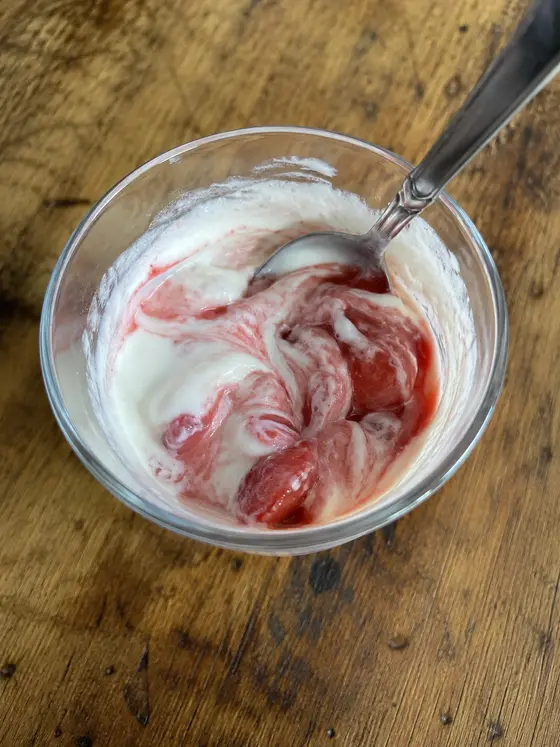
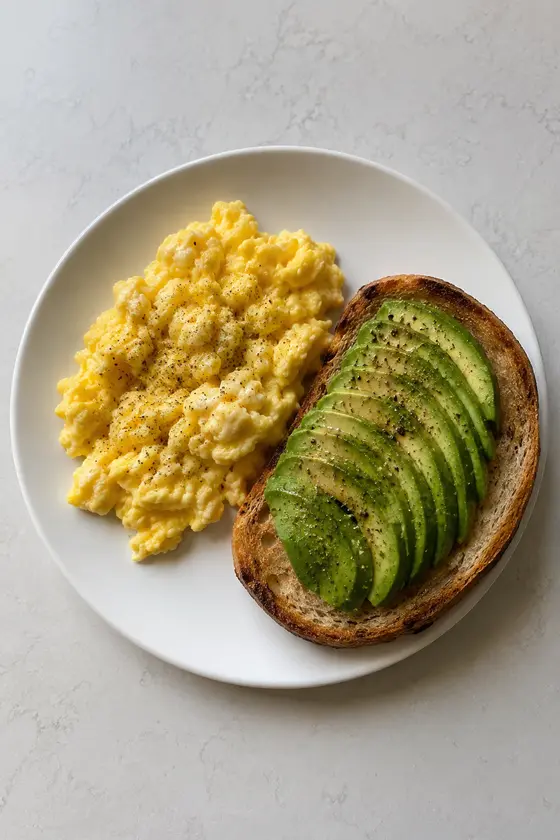
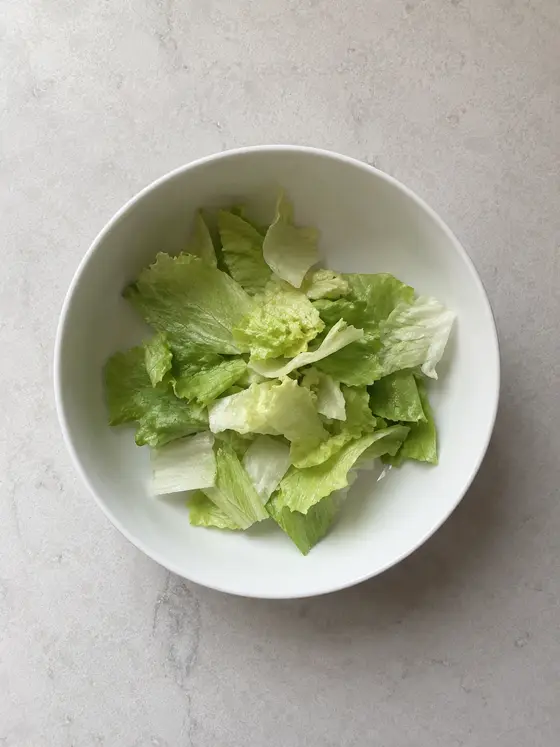
Both Lose It and MyFitnessPal ask you to find your food in a database. calorietrack.ai takes a different path: you photograph the meal and the AI estimates calories and macros, then you can ask the coach what to eat next. For mixed plates that do not map to a single database row, that can be faster.
It has a free-forever web tier with no signup required to try, and it publishes a specific accuracy benchmark. You can read how that number is measured on our methodology page and see the underlying comparison on the accuracy study.
It works on whatever you are eating.


Questions, answered.
Keep reading.
- 01Lose It alternativesAI-first options to the Lose It calorie counter.
- 02Cronometer vs Lose ItMicronutrient depth vs simplicity, compared.
- 03Noom vs MyFitnessPalBehavior-change coaching vs the largest food database, compared.
- 04MyFitnessPal alternativesLighter, AI-first options to MyFitnessPal, compared.
- 05How to use a calorie deficit to lose weightA common calorie deficit to lose weight is about 500 calories a day below what you burn, which points toward roughly 1 pound of loss a week. Since 3,500 calories is a rough stand-in for about 1 pound of fat, a modest daily deficit adds up to steady, sustainable loss.
- 06Calorie calculatorDaily calories to maintain, lose, or gain weight, from your stats and activity.
Try the AI photo option.
calorietrack.ai. No signup. No card. Snap a meal in any browser.