Cal AI vs MyFitnessPal, which fits you?
These two apps come at calorie tracking from opposite directions. Cal AI is AI-photo-native, built so you snap a meal and let the model do the work, on an iPhone-first experience. MyFitnessPal is database-first, with one of the largest food databases anywhere, barcode scanning, and access across iOS, Android, and the web. This Cal AI vs MyFitnessPal comparison weighs them fairly on approach, AI photo logging, database size, platform, and price, then ends with a free third option worth knowing about. Where a detail can change, we date it and point you to the source.
The verdict in two sentences.
Pick Cal AI if you are an iPhone user who wants AI photo logging as the main event and prefers snapping a meal over searching for it. Pick MyFitnessPal if you want the largest food database, barcode scanning, and cross-platform access, and you are happy to treat AI photo logging as an add-on.
If you want both, AI-photo-native logging and free, cross-device access, there is a third option below: calorietrack.ai, which publishes an accuracy benchmark and has a free-forever web tier.
Approach, AI photo, database, and price.
| Dimension | Cal AI | MyFitnessPal |
|---|---|---|
| Core approach | AI-photo-native logging | Large food database and search |
| AI photo logging | Built in from the start | Paid add-on (as of June 2026) |
| Food database | Smaller, AI-driven | Very large, plus barcode scanning |
| Platform | iOS-first (as of June 2026) | iOS + Android + Web |
| Price model | Paid subscription after a trial (check App Store) | Free database tier, AI behind a paid plan (check listing) |
AI-photo-native, tuned for iPhone.
Cal AI is built around the photo flow. You snap a meal and it estimates calories and macros without you hunting through a database. If your main friction with tracking has always been the searching and the typing, an AI-photo-native app removes most of it, and Cal AI is a polished example on iOS.
The trade-offs are platform and price. As of June 2026, Cal AI is iOS-first, so there is no comparable web or Android path, and it is a paid subscription after a trial. Its food database is smaller than a database giant like MyFitnessPal, because it leans on the model rather than on manual lookups. We do not assert an accuracy figure for Cal AI, the category as a whole sits in the peer-reviewed 5 to 15% band.
The largest database, everywhere.
MyFitnessPal's strength is breadth. It has one of the largest food databases anywhere, fast barcode scanning, and a long history of community-entered foods, which makes it hard to find a packaged product it does not already list. It also runs on iOS, Android, and the web, so you can log from almost any device.
The trade-off is that AI photo logging is not the core. As of June 2026 it is a paid add-on layered onto a database-first experience, so the snap-a-photo flow can feel like a feature rather than the main event. Database logging is also only as accurate as the entry and portion you pick, which puts more of the work on you than a photo-native app does. Check the current MyFitnessPal listing for what the AI feature includes.
Want AI photo logging that is free on the web?
If you like Cal AI's photo-native approach but want MyFitnessPal's cross-platform access, and a free tier, calorietrack.ai sits between the two. It is an AI photo calorie counter with a free-forever web tier, no signup to try, and an iPhone app called Onmode.
It is also the only app on this page that publishes an accuracy benchmark target: within 8% of a registered dietitian, re-tested each release. You can read how that is measured on our methodology page and see the comparison on the accuracy study.
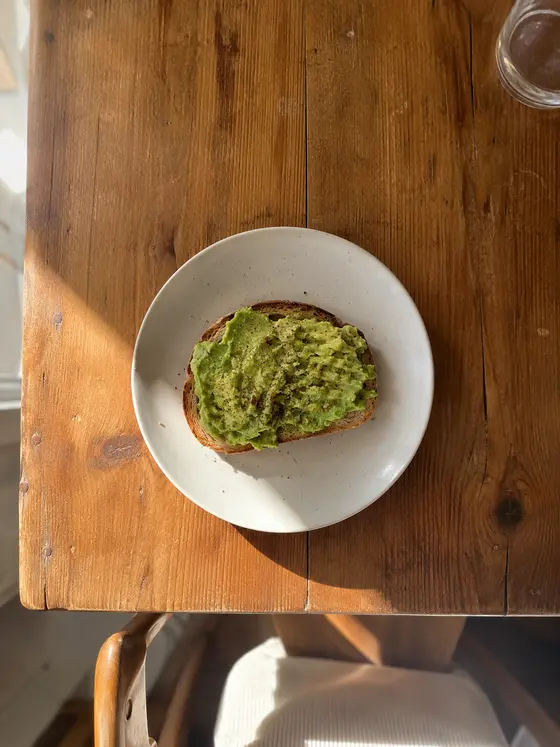
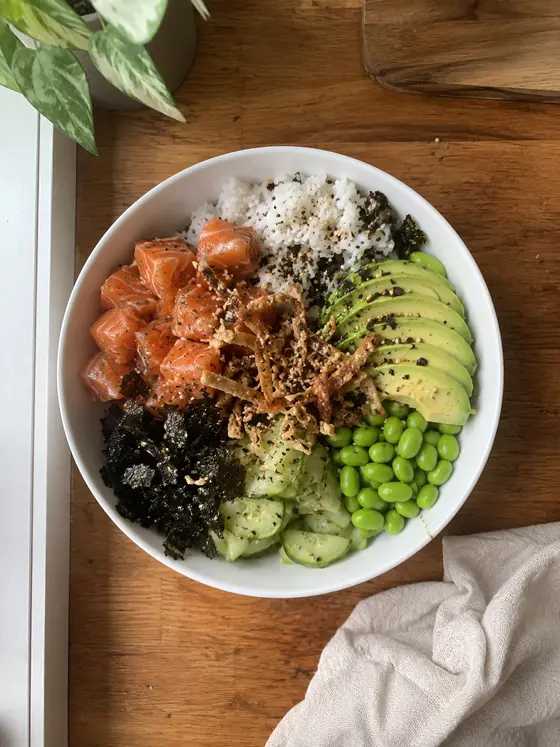
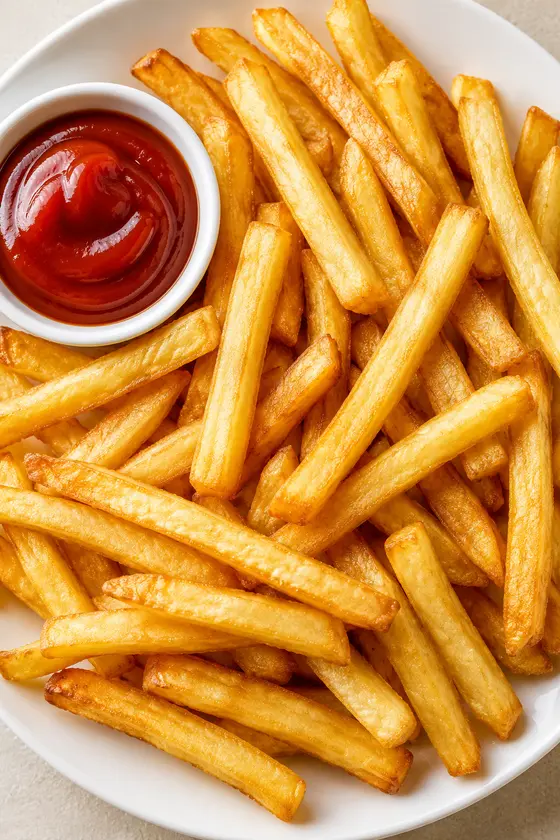
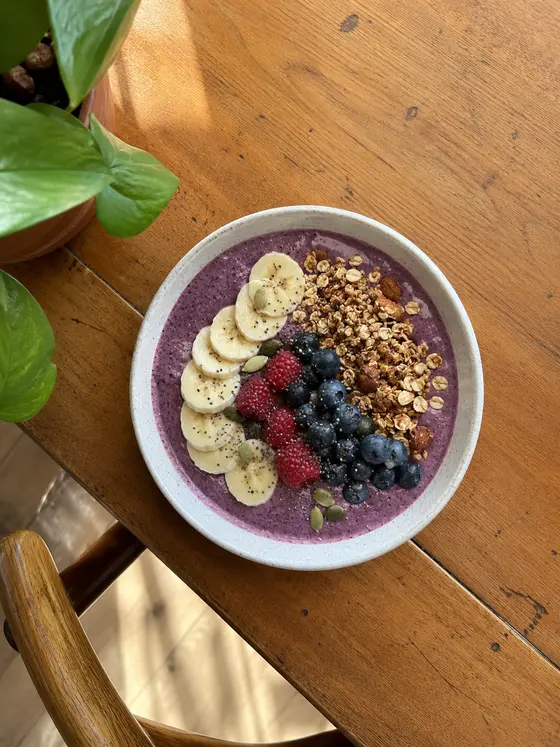
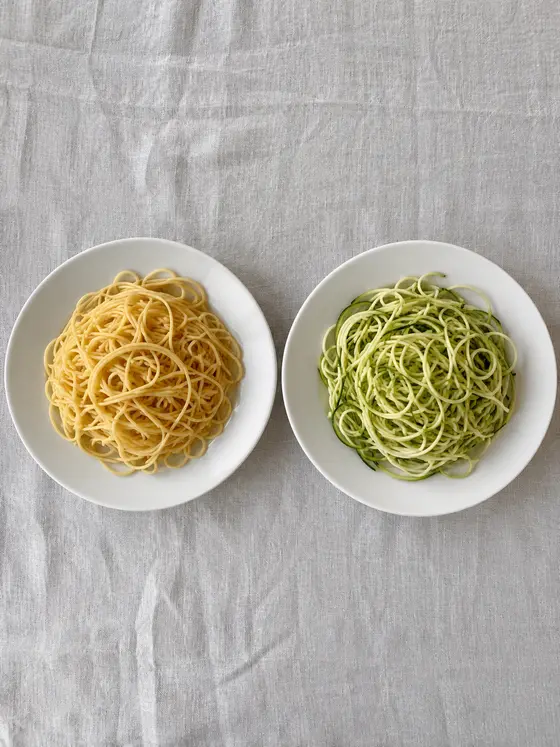
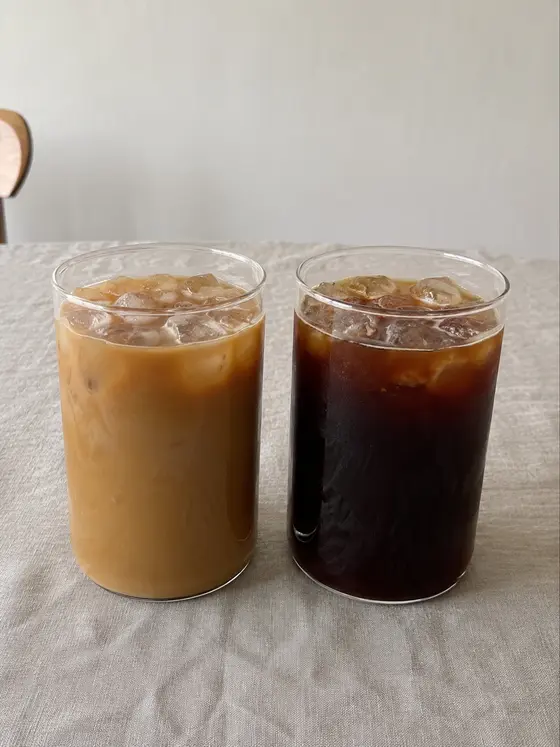
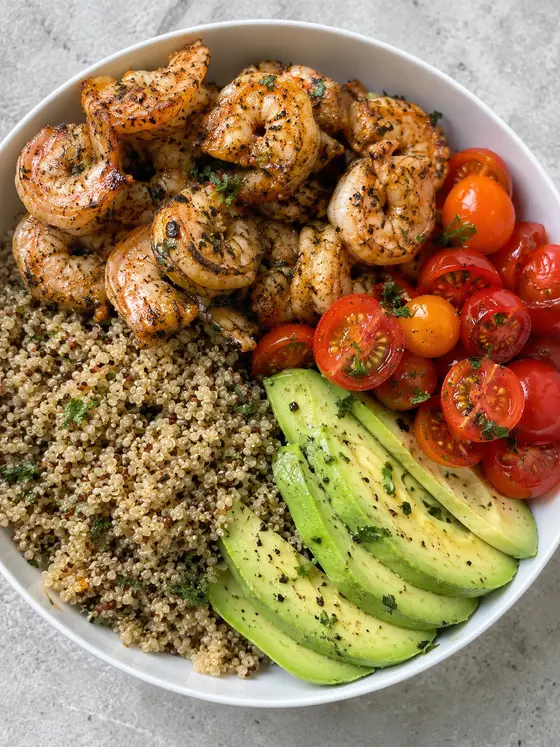
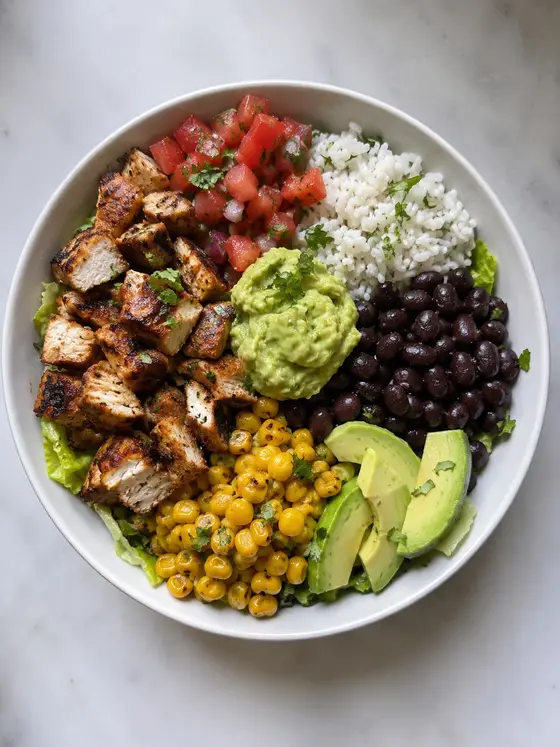
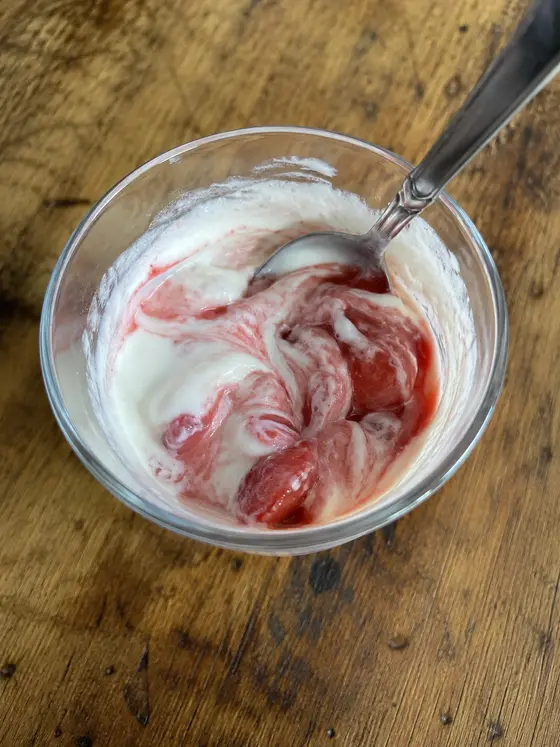
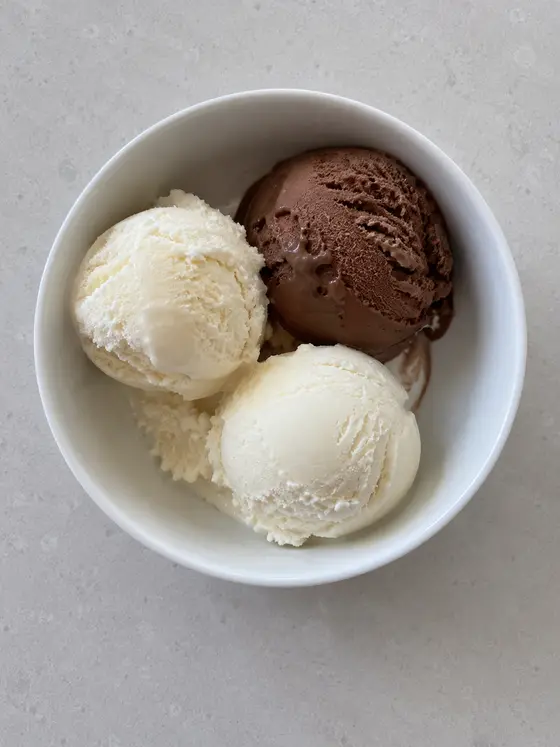
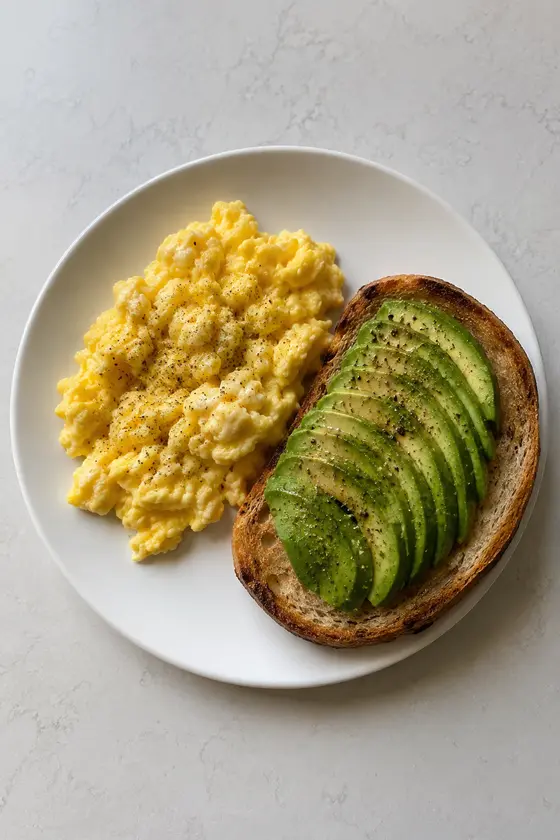
It works on whatever you are eating.
Questions, answered.
Keep reading.
- 01MyFitnessPal alternativesLighter, AI-first options to MyFitnessPal, compared.
- 02How accurate is Cal AI?What the accuracy looks like in practice, with our 8% comparison.
- 03Lose It vs MyFitnessPalTwo database trackers compared, with an AI third option.
- 04Most accurate AI calorie counterHead-to-head: calorietrack vs Cal AI vs SnapCalorie vs Bite AI.
- 05Cronometer vs MyFitnessPalData accuracy vs database size, side by side.
- 06What Reddit says about AI calorie countersFive themes from r/loseit, r/CICO, r/fitness, paraphrased.
Try the free third option.
calorietrack.ai. AI photo logging, free on the web. No signup, no card.