Cal AI vs calorietrack, side by side.
Both apps do the same core thing: you snap a photo of a meal and an AI estimates the calories and macros. We are one of the two apps being compared here, so we will be upfront about it and stick to facts you can check. This page lines up Cal AI and calorietrack.ai on the things that actually decide it for most people: published accuracy, what the free tier really includes, which platforms each one runs on, how the photo flow feels, and the pricing model. Where a detail can change, we date it and point you to the source.
The verdict in two sentences.
Pick calorietrack.ai if you want a free-forever web tier, access from a laptop or Android phone, and a published accuracy benchmark you can read for yourself. Our AI lands within 8% of a registered dietitian on average, with a median error under 5%, and you can start without a card or a signup.
Pick Cal AI if you live on an iPhone and want a polished, iOS-first photo logging experience and do not mind a paid subscription. It is a capable AI photo calorie counter. As of June 2026 it does not publish a free-forever web tier or a measured accuracy figure versus a registered dietitian, so if those matter to you, it is worth trying the free option first.
Accuracy, free tier, platform, and price.
| Dimension | calorietrack.ai | Cal AI |
|---|---|---|
| Accuracy | Within 8% of an RD avg, median under 5% (published) | No published % vs an RD (as of June 2026) |
| Free tier | Free-forever web, no signup to try | No free-forever web tier (check App Store) |
| Platform | Web + iPhone (Onmode) | iOS-first (as of June 2026) |
| AI photo flow | Snap a photo, plus an AI coach | Snap a photo, polished iOS experience |
| Price model | Free on web, paid upgrade available | Paid subscription after a trial (check App Store) |
A free web tier and a published number.
The clearest difference is access. calorietrack.ai is free to start on the web with no card and no signup, so you can snap your next meal and see the estimate before deciding anything. It also runs in any browser and installs as an app, so you are not limited to an iPhone, and there is an iPhone app, Onmode, when you want it on your phone.
The second difference is transparency. We publish a measured accuracy benchmark, within 8% of a registered dietitian on average with a median under 5%, and we show how it is measured on our methodology page. On top of the photo flow, calorietrack.ai includes an AI coach you can ask what to eat next, which turns a logging tool into a daily decision helper.
A polished iOS-first experience.
Cal AI helped make snap-a-photo calorie tracking mainstream, and it does that job well. If you are an iPhone user who wants a focused, native photo logging app and is comfortable paying for a subscription, it is a reasonable choice. The experience is tuned for iOS and many people are happy with it.
The trade-offs are about access and proof. As of June 2026, Cal AI is iOS-first, so there is no comparable web or Android path, and it does not publish a free-forever web tier or a measured accuracy percentage versus a registered dietitian. None of that makes it a bad app. It just means the decision often comes down to whether a free tier, web access, and a published number matter to you. We do not assert an accuracy figure for Cal AI, the category as a whole sits in the peer-reviewed 5 to 15% band.
The one accuracy figure we will assert.
We only put one hard accuracy number on the table, and it is ours. calorietrack.ai targets within 8% of a registered dietitian on average, with a median error under 5%, measured against an RD panel.
You can read exactly how that is measured on our methodology page, and see the underlying comparison on the accuracy study. We do not publish accuracy figures for Cal AI, because it does not publish a comparable benchmark.
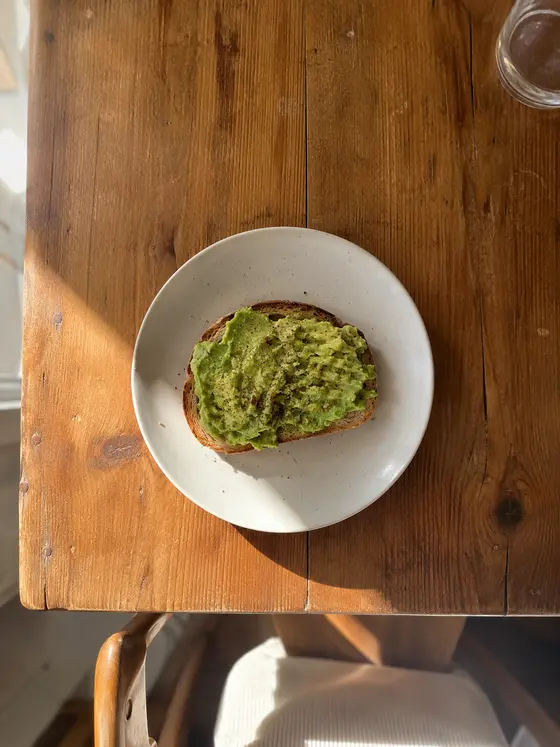
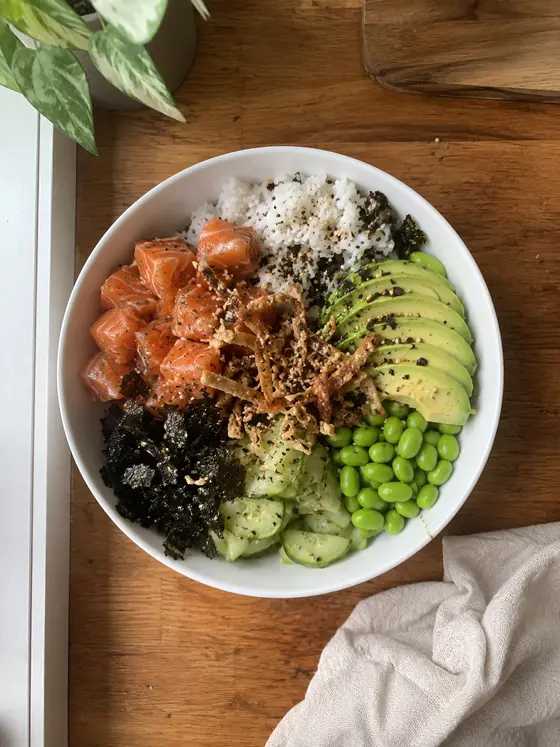
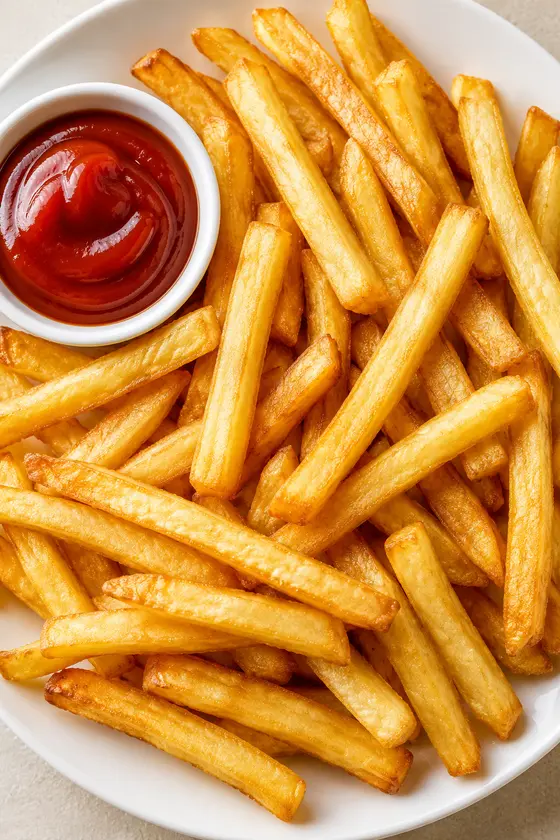
It works on whatever you are eating.

Questions, answered.
Keep reading.
- 01Cal AI alternativesFree-forever options to Cal AI, compared by accuracy and price.
- 02How much does Cal AI cost?Cal AI pricing and subscription, with a free alternative.
- 03How accurate is Cal AI?What the accuracy looks like in practice, with our 8% comparison.
- 04How we measure accuracyThe method behind the within-8% benchmark.
- 05The accuracy studyAI estimates compared against a registered dietitian.
- 01Cal AI alternativesFree-forever options to Cal AI, compared by accuracy and price.
- 02Cal AI free trialHow the Cal AI trial works, and a free-forever option.
- 03How accurate is Cal AI?What the accuracy looks like in practice, with our 8% comparison.
- 04Cal AI vs MyFitnessPalAI photo logging vs the largest food database, compared.
- 05Cronometer alternativesSimpler, AI-first options to Cronometer.
- 06MyFitnessPal vs calorietrackDatabase search vs AI photo logging, side by side.
See how close we get, free.
calorietrack.ai. No signup. No card. Snap a photo in any browser.