Cronometer vs Lose It, depth vs simplicity.
Cronometer and Lose It are both database trackers, but they aim at different people. Cronometer is for the detail-oriented: deep micronutrient tracking and a focus on curated, verified data. Lose It is for people who want a simple, approachable calorie counter that is easy to keep up with. This Cronometer vs Lose It comparison weighs them fairly, then covers a third option for people who would rather photograph a meal than search for it.
The verdict
in one paragraph.
Pick Cronometer if you care about micronutrients and data quality, and you do not mind a more detailed interface to get them. Pick Lose It if you want a clean, beginner-friendly tracker focused on calories and macros that is fast to start and easy to maintain. The right call comes down to whether you value depth or ease.
If you would rather skip the search box and just photograph your plate, see the third option below.
Micronutrients, data quality, ease, free tier.
| Dimension | Cronometer | Lose It |
|---|---|---|
| Best for | Micronutrient depth and curated data quality | Simple, beginner-friendly calorie tracking |
| Micronutrients | Tracks a wide range of vitamins and minerals | Focused on calories and macros |
| Data quality | Emphasis on curated, verified food entries | Solid database, more community-driven entries |
| Ease of use | More detailed, steeper learning curve | Approachable and quick to start |
| Free tier | As of June 2026, a free tier exists. Check what is included | As of June 2026, a free tier exists. Check what is included |
Where Cronometer wins.
Cronometer is the choice when micronutrients matter. It tracks a wide range of vitamins and minerals, not just calories and macros, which makes it a favorite for people managing specific nutritional goals or conditions. If you want to see where you stand on, say, iron or potassium, it is built for that.
It also emphasizes curated, verified food data, which many users trust more than purely community-entered databases. The tradeoff is a steeper learning curve. As of June 2026, some features sit behind a paid plan, so check the current Cronometer pricing before relying on a specific capability.
Where Lose It wins.
Lose It is built to be easy. The onboarding is friendly, the interface is uncluttered, and logging common foods is quick. For people who found more detailed trackers overwhelming, that simplicity is often what keeps them logging consistently.
It covers the essentials across iOS, Android, and the web, with database search and a barcode scanner. As of June 2026, some features sit behind a paid plan, so check the current Lose It pricing before counting on a specific feature.
What if you skipped the database entirely?
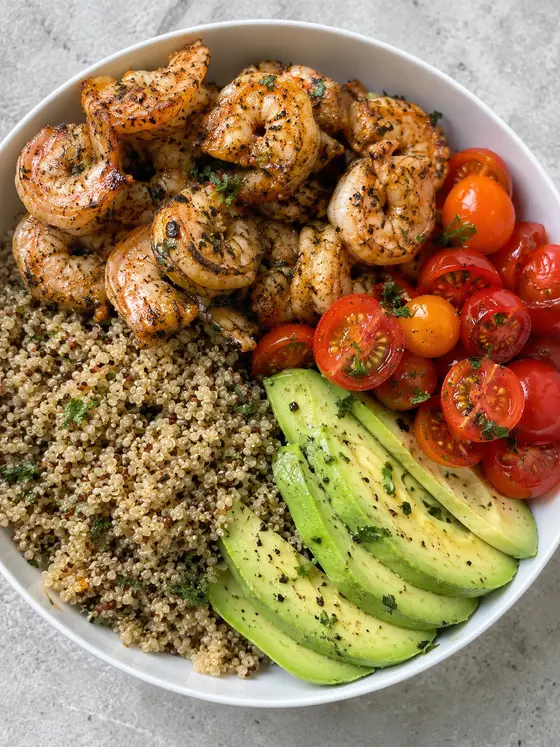
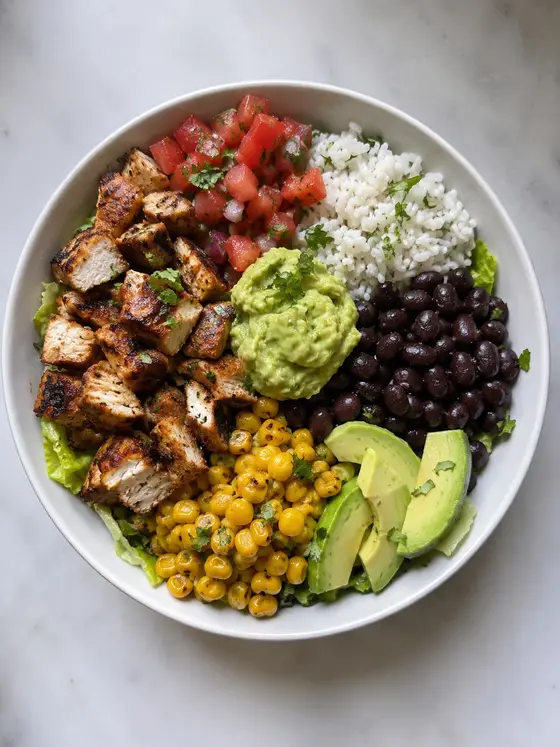
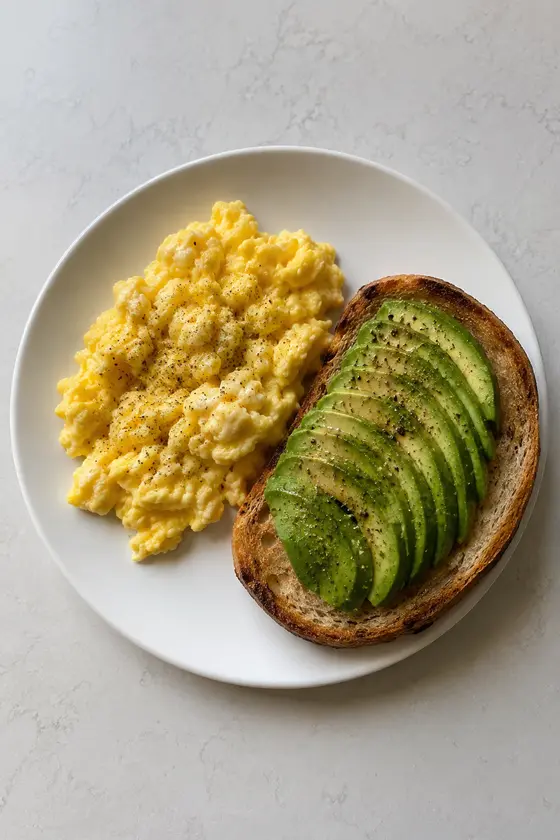
Both Cronometer and Lose It ask you to find your food in a database. calorietrack.ai takes a different path: you photograph the meal and the AI estimates calories and macros, then you can ask the coach what to eat next. It is a faster, lighter workflow that trades Cronometer micronutrient granularity for speed.
It has a free-forever web tier with no signup required to try, and it publishes a specific accuracy benchmark. You can read how that number is measured on our methodology page and see the underlying comparison on the accuracy study.
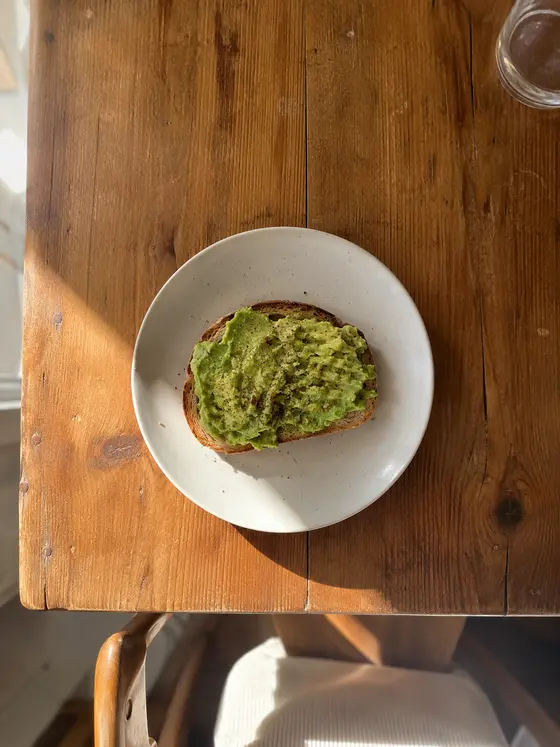
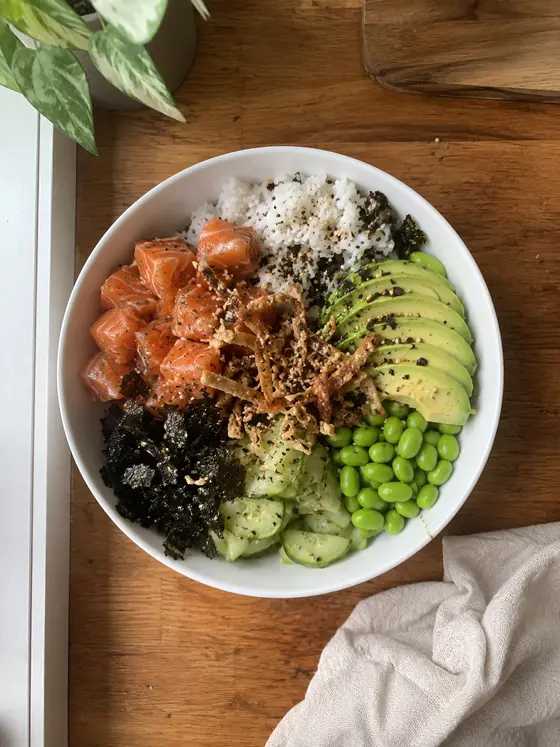
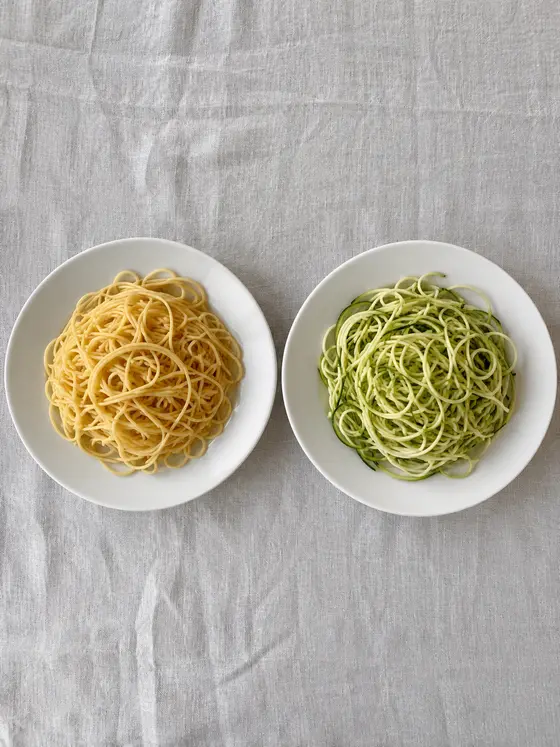
It works on whatever you are eating.





Questions, answered.
Keep reading.
- 01Lose It alternativesAI-first options to the Lose It calorie counter.
- 02Cronometer alternativesSimpler, AI-first options to Cronometer.
- 03Lose It vs MyFitnessPalTwo database trackers compared, with an AI third option.
- 04Cronometer vs MyFitnessPalData accuracy vs database size, side by side.
- 05Macro calculatorProtein, carb, and fat grams for your calorie target and chosen split.
- 06How to use a calorie deficit to lose weightA common calorie deficit to lose weight is about 500 calories a day below what you burn, which points toward roughly 1 pound of loss a week. Since 3,500 calories is a rough stand-in for about 1 pound of fat, a modest daily deficit adds up to steady, sustainable loss.
Try the AI photo option.
calorietrack.ai. No signup. No card. Snap a meal in any browser.