How to count calories in food
To count calories in a food, read its nutrition label or look it up in a database like USDA FoodData Central, then multiply by the portion you actually ate. For mixed dishes you add up the ingredients, and for restaurant food you estimate, since exact numbers are rarely available.
Counting the calories in a food follows one basic pattern: find the calories per unit, then multiply by how much you ate. For a packaged item the unit is the serving on the label. For a whole food it is grams or a common measure from a database. For a mixed dish you break it into parts and add them up.
The difficulty scales with how processed and combined the food is. A plain apple or a labeled snack is easy and fairly precise. A homemade stew or a restaurant plate is an estimate, sometimes a rough one, because you cannot see every ingredient or the exact amount of oil, butter, and sauce involved.
Below is how to handle each case, from labels to USDA data to portion estimation to mixed and restaurant meals. Photo logging, where you snap a picture instead of itemizing everything, is often the fastest way to get a workable estimate for complicated plates.
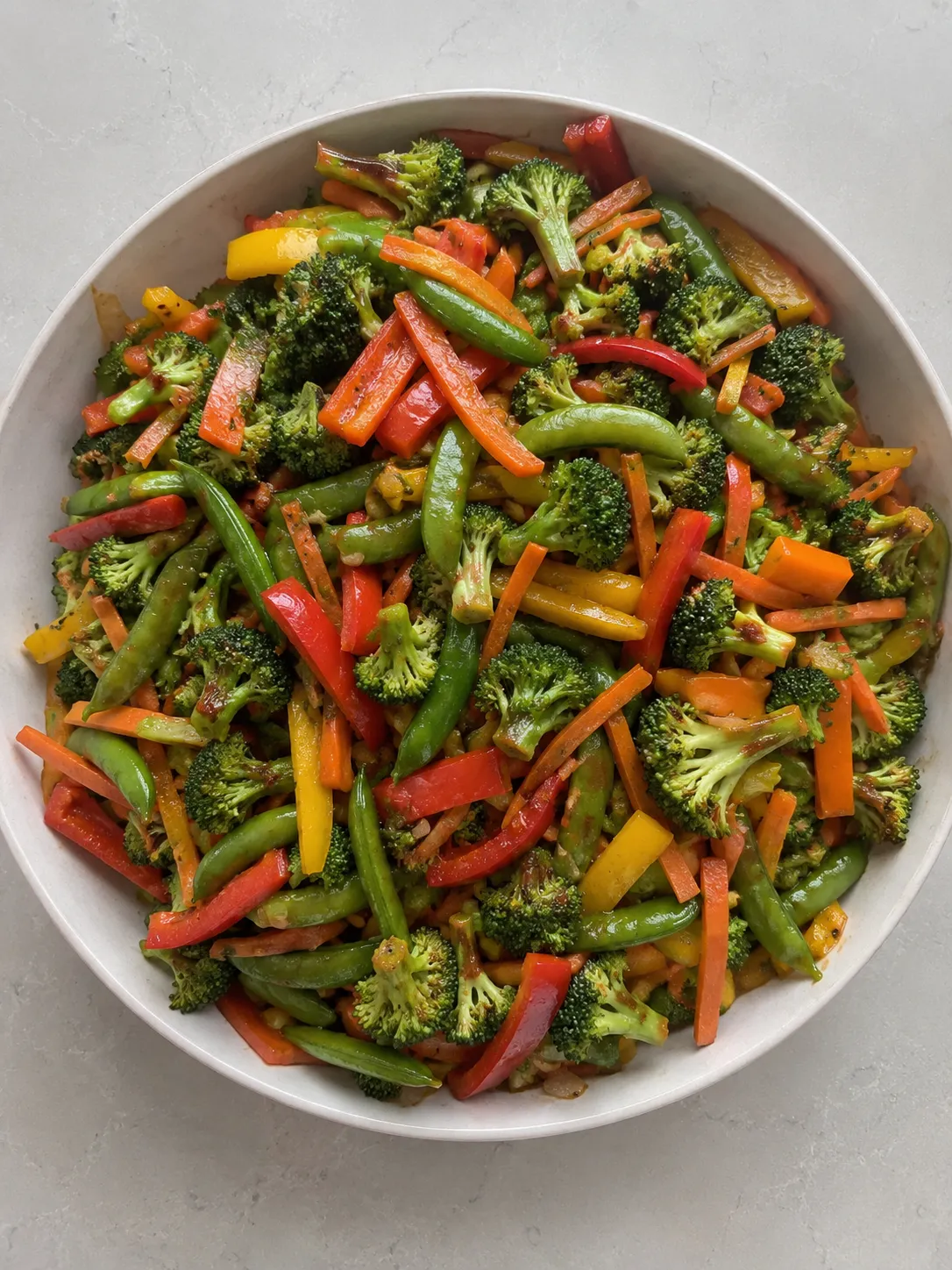
Calories in a single tablespoon of cooking oil, one of the most commonly forgotten ingredients when counting a home-cooked meal.
Packaged foods: read the label
For anything with a nutrition label, the calories are already calculated, but two details trip people up. First, the number is per serving, and a package often contains several servings, so multiply by how many you actually eat. Second, check the serving size in grams or units, because a listed serving may be smaller than what you would naturally pour or scoop.
If you eat a partial serving, scale it down: half a serving is half the calories. Getting the serving math right is usually more important than any other single habit, since it is where large errors hide in otherwise careful counting.
Whole foods: use a nutrition database
Foods without labels, like fresh produce, plain meat, eggs, or grains, are looked up in a nutrition database. Public data from USDA FoodData Central underlies most reputable apps and gives calories per 100 grams or per common portion. Whole, single-ingredient foods tend to be well documented, so these estimates are reasonably reliable.
The accuracy still depends on your portion. Calories scale with grams, so weighing the food and using the per-100-gram value is the most accurate approach. Cooking changes weight too: rice and pasta gain water and get heavier, while meat loses water and gets lighter, so check whether a database entry is for the raw or cooked food.
Estimating portions accurately
Portion size drives most of the error in counting calories, because a small misjudgment on a calorie-dense food is a big misjudgment in calories. A kitchen scale is the most accurate tool. When you cannot weigh, estimate with hand references and lean toward rounding up on rich foods.
- A palm of cooked protein is roughly 110 to 140 g.
- A cupped hand of cooked rice or pasta is roughly 120 to 150 g.
- A thumb of oil, butter, or nut butter is about 1 tablespoon, and it is calorie-dense.
- Count the fat used to cook, since a tablespoon of oil adds around 120 calories.
Mixed dishes and restaurant meals
For a dish you cooked, break it into ingredients, add up the calories, and divide by the number of servings if you are eating part of it. The trickiest ingredients are the invisible ones: oil, butter, sugar, and sauces, which are easy to leave out and can add hundreds of calories. When you do not know exactly how much went in, estimate on the higher side.
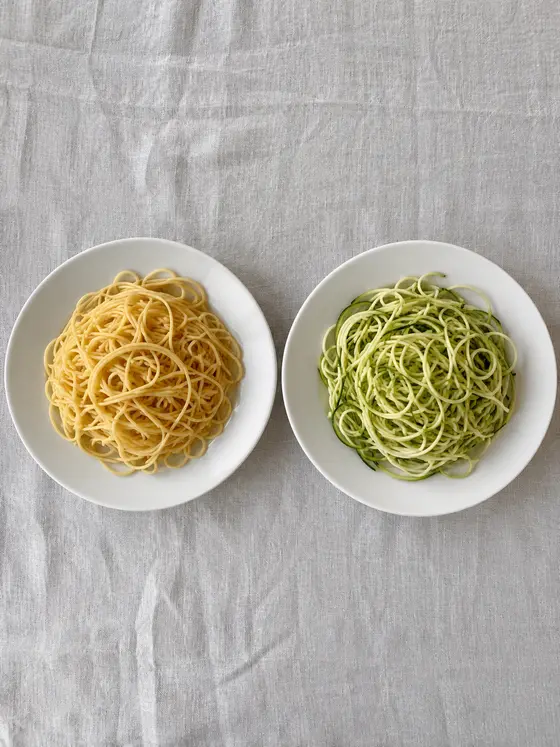
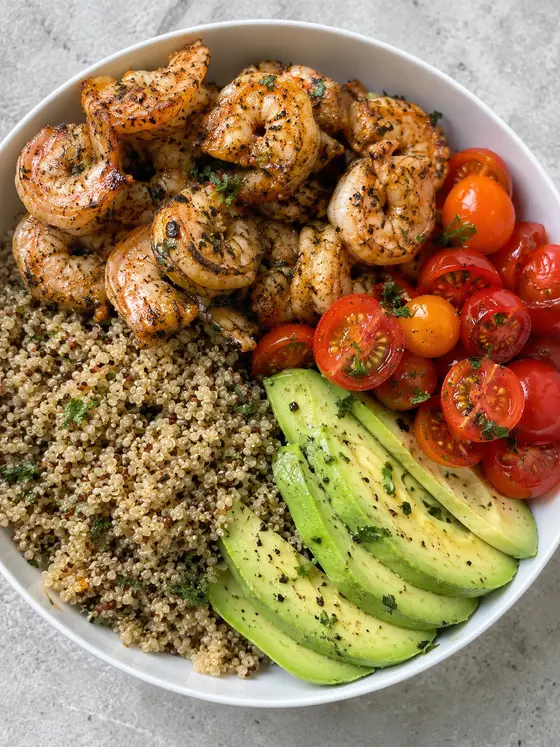
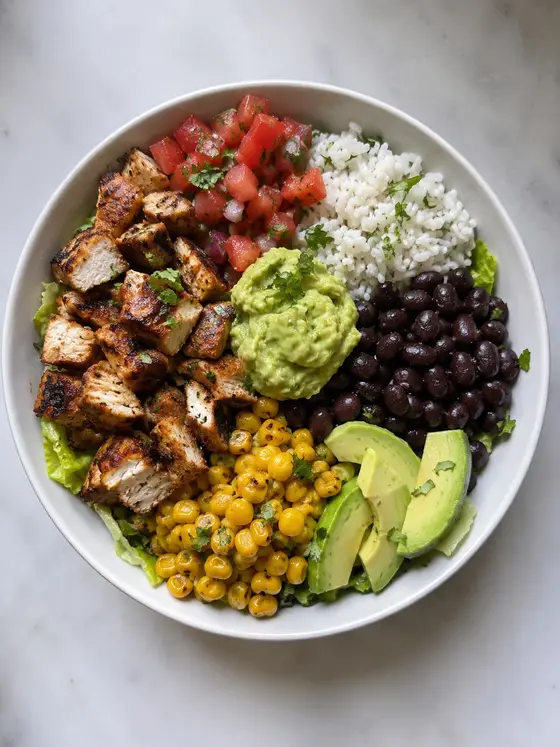
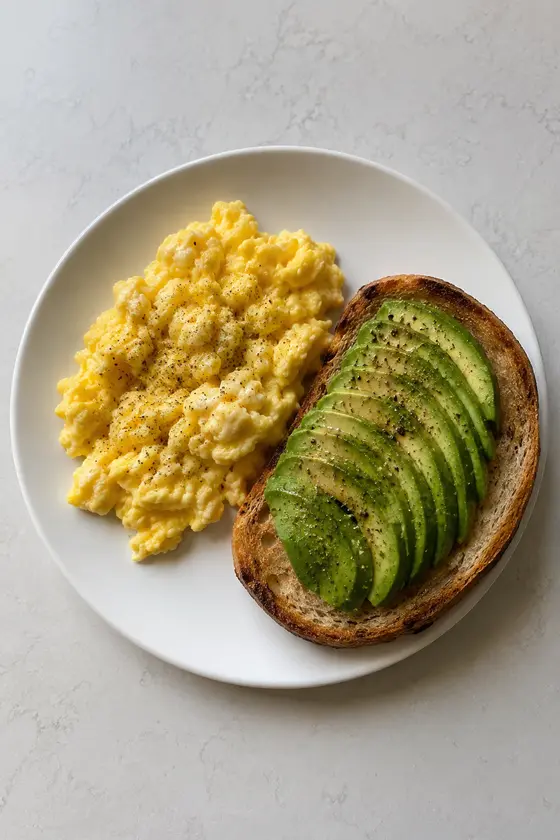
Restaurant and takeout food is the hardest case, because you did not control the preparation and portions are often larger and richer than they look. Chain restaurants sometimes publish calorie counts, which are worth using. Otherwise, find a similar dish in a database and accept that it is an approximation. This is exactly where photo logging helps most: you snap the plate, get an estimate of the foods and portions, and adjust anything you know, which is far faster than itemizing a dish you did not prepare. That fast estimate is the idea behind calorietrack.ai.
| Food type | Typical accuracy | Best method |
|---|---|---|
| Packaged, labeled | High | Label times servings eaten |
| Whole, single-ingredient | High | Weigh, then use database value |
| Home-cooked mixed dish | Moderate | Add up ingredients, count the oil |
| Restaurant / takeout | Lower | Published counts or a similar dish, round up |
Find your daily calorie target
Counting calories in food is more useful once you know your daily target. Enter your details to estimate your maintenance calories and a goal to count toward.
Open the calculatorLog it by snapping a photo.




What this is based on.
- 01USDA FoodData Central. Public nutrition database for calories in whole, packaged, and many prepared foods.
- 02Harvard Health Publishing. Practical guidance on portion sizes and calorie awareness.
- 03Dietary Guidelines for Americans. General guidance on energy balance and reading nutrition information.
Questions, answered.
Keep reading.
- 01How to count caloriesThe full daily system: target, labels, portions, and consistent logging.
- 02Calorie deficit to lose weightHow the calories you count turn into a deficit and fat loss.
- 03Calorie target calculatorEstimate your maintenance calories and a daily target for your goal.
- 04How we check our numbersThe method behind our calorie estimates and accuracy claims.
- 01How to count caloriesTo count calories, first set a daily target based on your goals, then log everything you eat by reading nutrition labels, weighing or estimating portions, and recording it consistently. Accuracy comes from doing it every day, not from being perfect on any one meal.
- 02BMR calculatorYour basal metabolic rate, the calories you burn at complete rest.
- 03Burning 1,000 calories a day for weight lossBurning 1,000 calories a day through exercise can help create a deficit, but it takes a large amount of activity and you cannot reliably out-train your diet. Combining a modest calorie reduction with regular movement is usually more effective and sustainable than relying on exercise alone.
- 04Calorie calculatorDaily calories to maintain, lose, or gain weight, from your stats and activity.
- 05Cal AI free trialHow the Cal AI trial works, and a free-forever option.
- 06How accurate is Cal AI?What the accuracy looks like in practice, with our 8% comparison.
Hard dish to count? Snap it.
calorietrack.ai. Photo logging estimates calories in mixed and restaurant meals in seconds. Free on the web, no signup.