Burning 1,000 caloriesa day for weight loss
Burning 1,000 calories a day through exercise can help create a deficit, but it takes a large amount of activity and you cannot reliably out-train your diet. Combining a modest calorie reduction with regular movement is usually more effective and sustainable than relying on exercise alone.
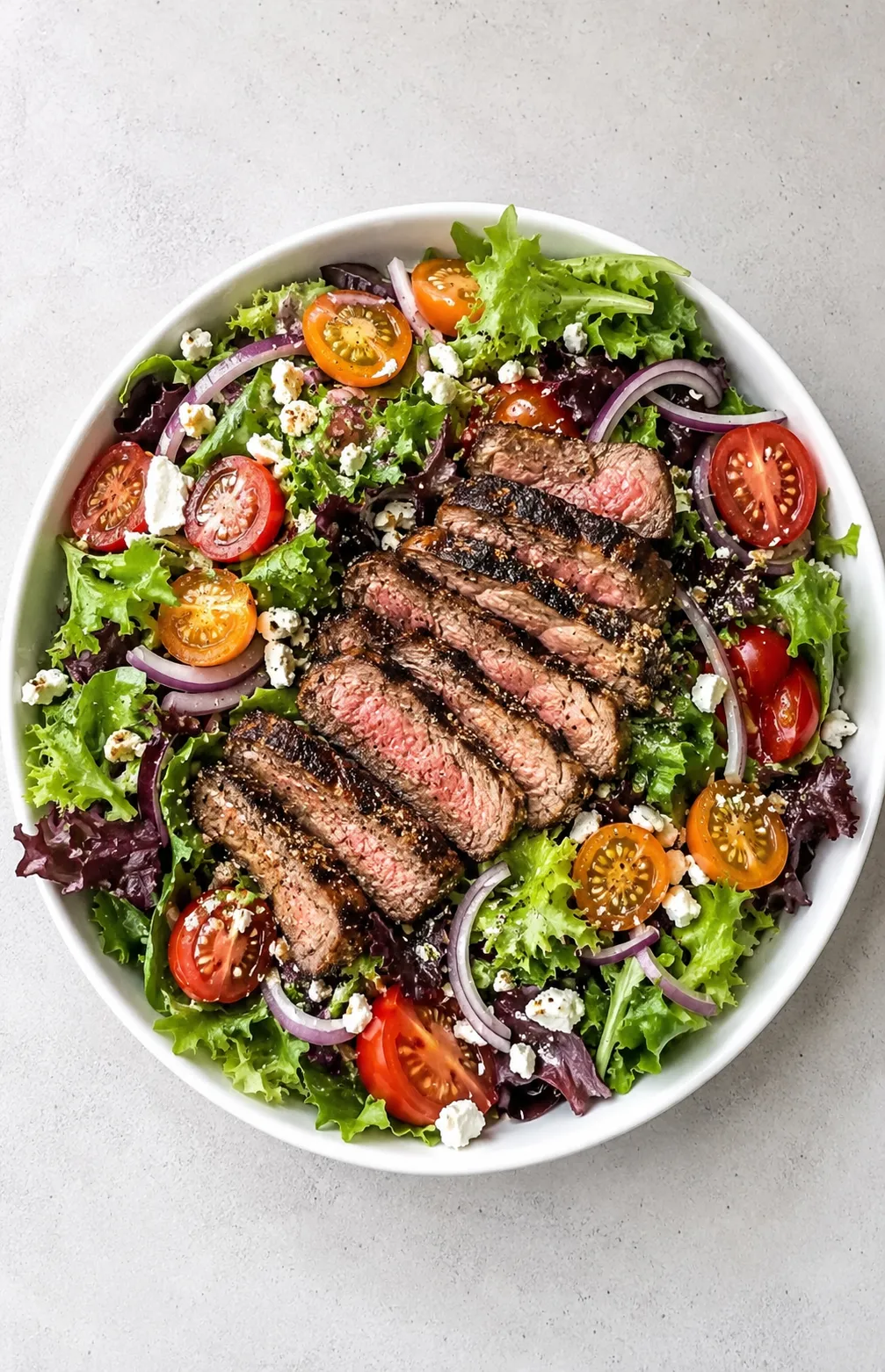
Trying to burn 1,000 calories a day through exercise is one way to build a weight-loss deficit, and it can work, but it is harder than it sounds. Depending on your body weight, 1,000 calories can mean roughly 90 minutes or more of vigorous activity, every day, which is a big commitment to sustain.
It also runs into a stubborn reality: you cannot reliably out-train a poor diet. A tough workout is easy to undo with a single large meal or a few snacks, so exercise alone rarely produces the deficit people expect. The food side of the equation almost always decides the result.
This guide covers how much exercise burning 1,000 calories actually takes, why activity alone is an unreliable path to a deficit, and how combining a modest calorie cut with regular movement gives you the best of both. For very high training volumes, it is wise to build up gradually and check in with a healthcare provider.
What burning 1,000 calories actually takes
Exercise calorie burn scales with body weight and intensity. As a rough guide, many adults burn somewhere between 400 and 700 calories an hour of vigorous activity like running or fast cycling, so reaching 1,000 in a day often means well over an hour of hard effort, or more spread across easier activity.
That is achievable for some people, but daily is demanding. High training volumes raise the risk of fatigue, soreness, and injury, and they also tend to make you hungrier, which can quietly cancel part of the burn. The number on a watch is an estimate too, often off by 20 to 30 percent, so the real deficit may be smaller than it appears.
Why you cannot out-train your diet
The core problem is that food calories are dense and quick to consume, while exercise calories are slow and effortful to spend. A 45-minute run might burn 400 calories, roughly what a single pastry and a latte add back in a couple of minutes. Undoing a workout is far easier than doing one.
On top of that, hard exercise often increases appetite and can lead people to move less the rest of the day without noticing. Both effects shrink the deficit you thought you earned. This is why studies consistently find that exercise on its own produces modest weight loss unless diet changes too.
- Food calories are fast and dense; exercise calories are slow and effortful.
- Hard training tends to raise appetite, offsetting part of the burn.
- People often move less the rest of the day after intense exercise.
- Wearable calorie estimates can be off by 20 to 30 percent.
Combining diet and activity
The most reliable approach is to create most of your deficit through modest changes to what you eat, then use exercise to add to it and to protect your health and muscle. A 500-calorie deficit split between a 300-calorie food reduction and a 200-calorie walk feels far easier than trying to run off the whole thing.
Resistance training deserves a place too, because it helps preserve muscle while you lose fat, which keeps your maintenance level higher. Cardio supports heart health and adds to the burn. Together with a sensible food target, activity becomes a partner to the diet rather than a substitute for it.
The bigger picture: exercise is worth it anyway
Even if exercise is an unreliable way to force a deficit, it remains one of the best things you can do for your body. It improves cardiovascular health, mood, sleep, blood sugar, and long-term weight maintenance, and it makes keeping weight off far more likely once you have lost it.
So the takeaway is not to skip exercise, but to stop asking it to do the diet job alone. Aim for regular, sustainable activity you enjoy, pair it with a modest calorie deficit, and let the two work together. If you plan to train at very high volumes, ramp up slowly and consider professional guidance.
| Activity | Approx. time for 1,000 cal | Note |
|---|---|---|
| Brisk walking | ~2.5 to 3.5 hours | Lower intensity, more time |
| Running | ~75 to 110 min | Depends heavily on weight and pace |
| Cycling (vigorous) | ~90 to 130 min | Varies with resistance and speed |
| Swimming | ~90 to 120 min | Stroke and effort matter a lot |
Plan a deficit from diet and activity
Estimate your maintenance level and a target that combines a modest food cut with exercise, rather than relying on burning it all off.
Open the calculatorLog it by snapping a photo.












What this is based on.
- 01Dietary Guidelines for Americans. Physical activity guidance and its role in energy balance.
- 02National Institutes of Health / NIDDK. Evidence on exercise, diet, and weight-loss outcomes.
- 03Peer-reviewed energy-balance research. Findings on appetite compensation and the limits of exercise alone.
Questions, answered.
Keep reading.
Win on the side you control.
calorietrack.ai. Snap a meal to log calories in seconds, because the food side decides the deficit. Free on the web, no signup.