How many caloriesshould lunch be?
For most adults, lunch falls somewhere around 400 to 700 calories, which is roughly 25 to 35 percent of a typical daily calorie target. The right number for you depends mostly on your overall daily needs and how you divide calories across your meals.
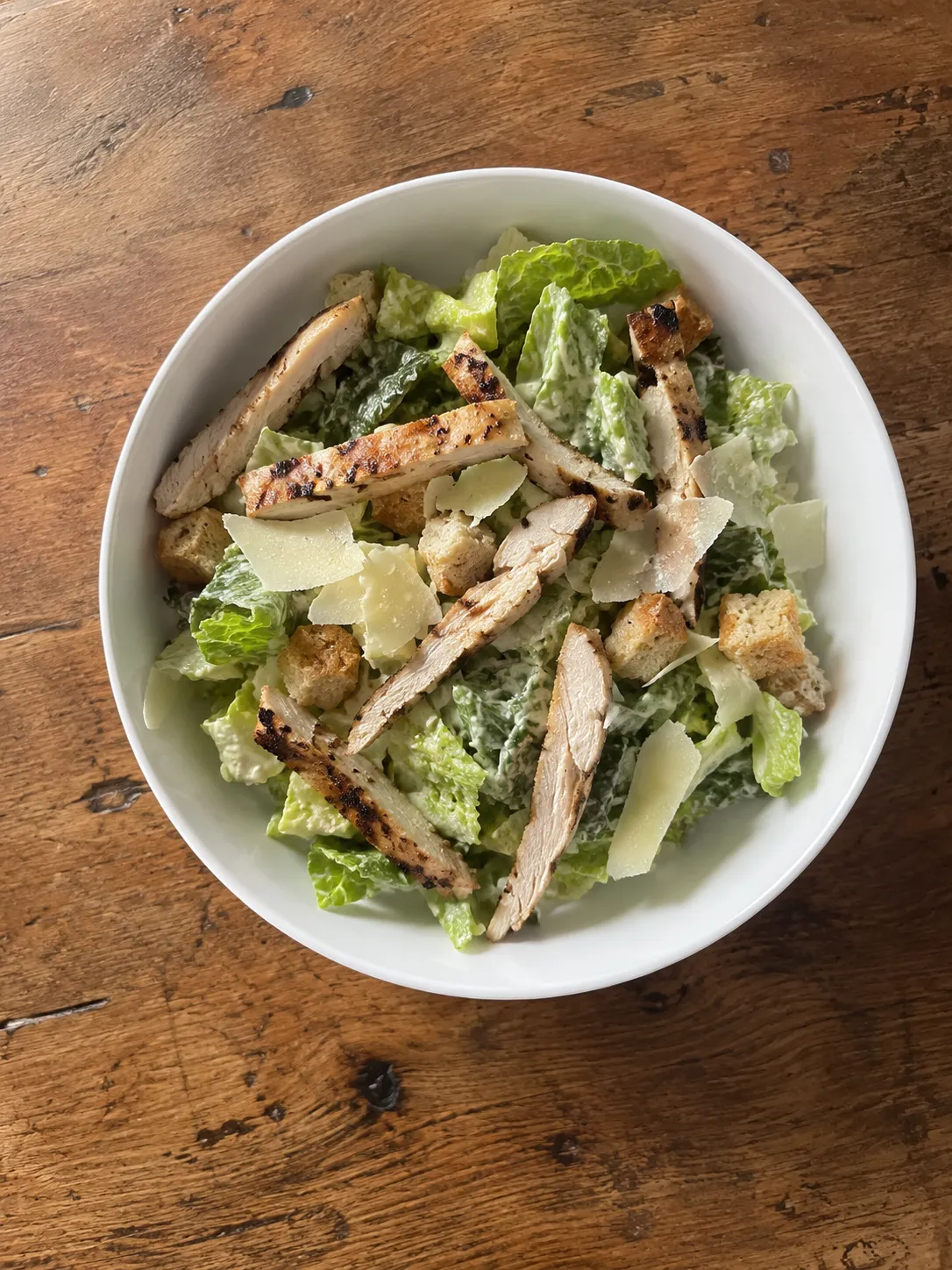
A typical lunch for most adults lands somewhere around 400 to 700 calories, or roughly a quarter to a third of the day. There is no single correct figure, because lunch is best thought of as a share of your total daily calories rather than a fixed amount.
If your daily target is around 2,000 calories and you eat three main meals, a lunch of about 500 to 700 calories fits neatly. On a lower target, or if you snack more, lunch shifts down accordingly. The percentage matters more than the raw number.
Below is how to turn your own daily target into a lunch range, why the share approach beats a one-size figure, and simple examples at common calorie targets so you can find a number that fits your day.
Lunch as a share of your day
The most useful way to size lunch is as a percentage of your daily calories rather than a fixed count. Many people find that allotting roughly 25 to 35 percent of the day to lunch works well, leaving enough for breakfast, dinner, and any snacks without a single meal dominating.
That share approach automatically scales to your needs. Someone eating 1,600 calories a day and someone eating 2,500 can both put about a third toward lunch and land on very different numbers that are each right for them. So the first step is knowing your daily target, then taking a slice of it.
Turning your daily target into a lunch range
Start with your estimated daily calorie needs, which depend on your age, sex, size, and activity. Multiply that by roughly 0.25 to 0.35 to get a sensible lunch range. On a 2,000-calorie day that is about 500 to 700 calories; on a 1,500-calorie day it is closer to 375 to 525.
From there, personal preference decides the exact split. If you like a big lunch and a light dinner, push lunch toward the top of the range. If you prefer to save calories for the evening, keep it lower. The daily total is what governs weight, so how you distribute it is mostly about comfort and energy.
- Estimate your daily calorie target first.
- Aim lunch at roughly 25 to 35 percent of that total.
- Adjust up or down based on when you like to eat most.
- Prioritize protein and fiber to stay full through the afternoon.
What a balanced lunch looks like
Beyond the calorie count, a lunch that keeps you satisfied usually pairs a protein source, some fiber-rich vegetables or whole grains, and a bit of healthy fat. That combination tends to steady energy and blunt the mid-afternoon dip better than a refined-carb-heavy meal of the same calories.
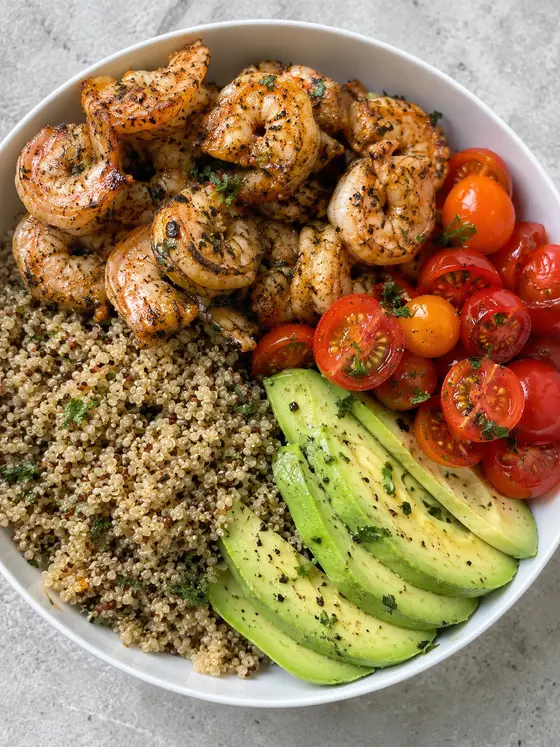
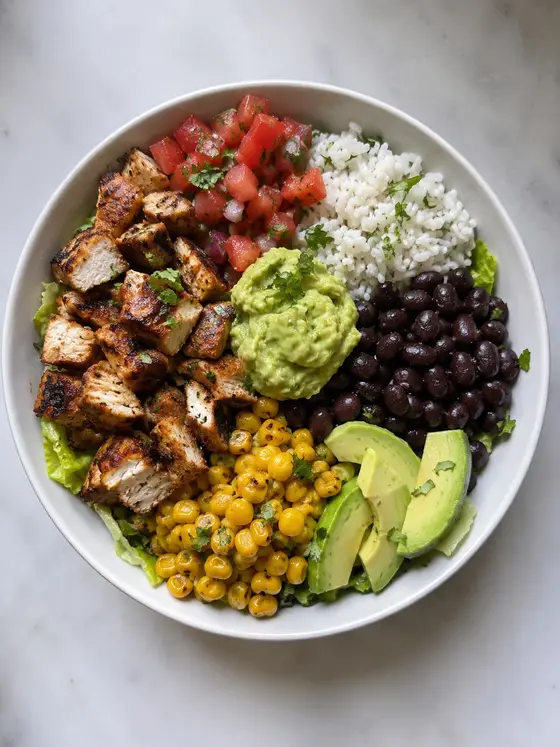
For example, a grain bowl with chicken and vegetables, a hearty salad with beans and olive oil, or a wrap with lean protein and greens can all land in the 400-to-700 range while keeping you full. The exact calories depend on portions and dressings, which is where quick logging helps.
When lunch should be bigger or smaller
Context matters. If lunch is your main meal or comes before a workout or a physically demanding afternoon, sizing it toward the higher end makes sense. If you had a large breakfast, plan a big dinner, or are aiming for a calorie deficit, a lighter lunch fits better.
There is flexibility day to day, too. What counts is the weekly pattern of your total intake, not hitting an exact lunch number every time. Use the range as a guide, then adjust to your appetite, schedule, and goals.
| Daily target | Lunch (~25%) | Lunch (~35%) |
|---|---|---|
| 1,500 cal | ~375 cal | ~525 cal |
| 1,800 cal | ~450 cal | ~630 cal |
| 2,000 cal | ~500 cal | ~700 cal |
| 2,500 cal | ~625 cal | ~875 cal |
Find your daily target first
Estimate your daily calorie needs, then take about a quarter to a third of that number to size your lunch.
Open the calculatorLog it by snapping a photo.
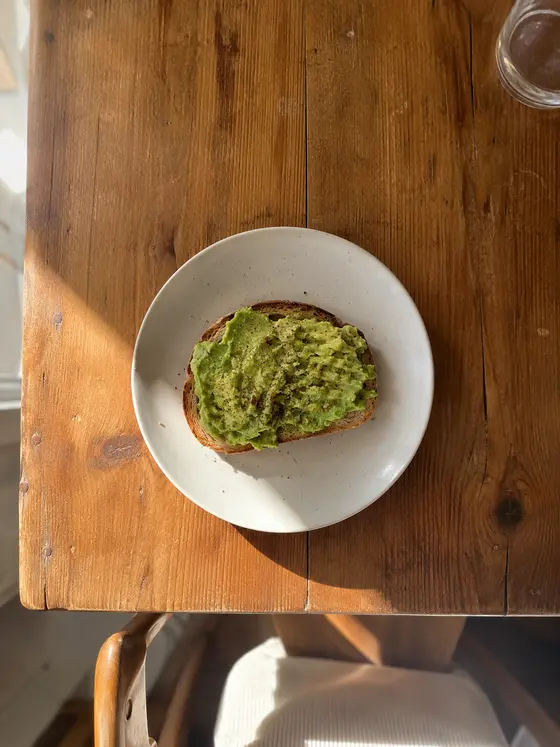
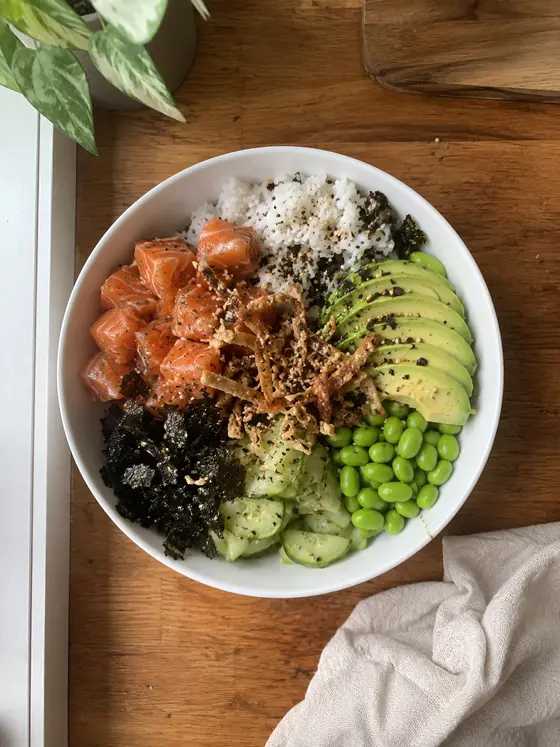

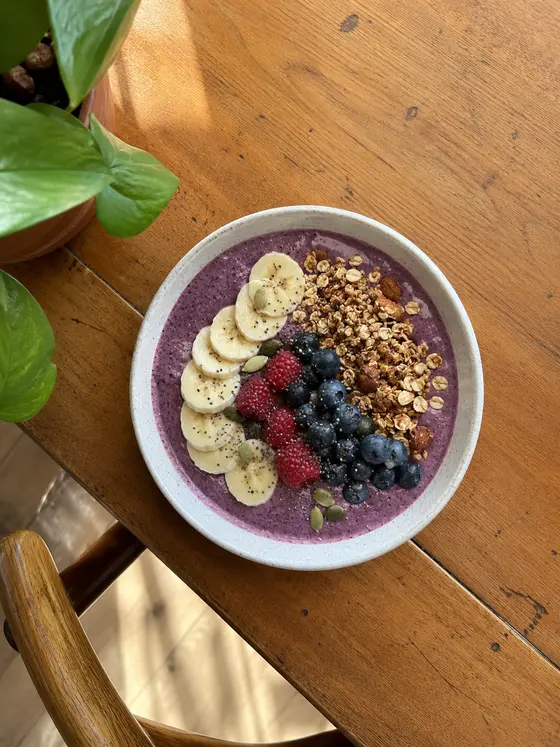


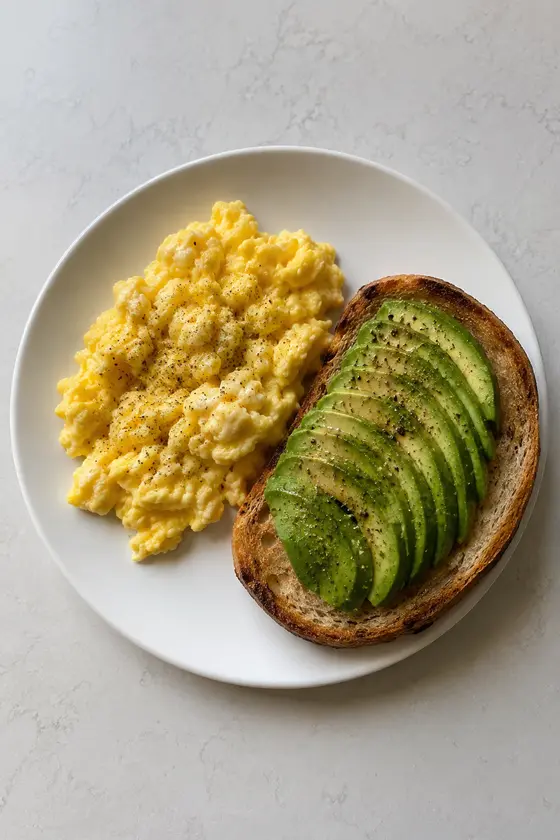
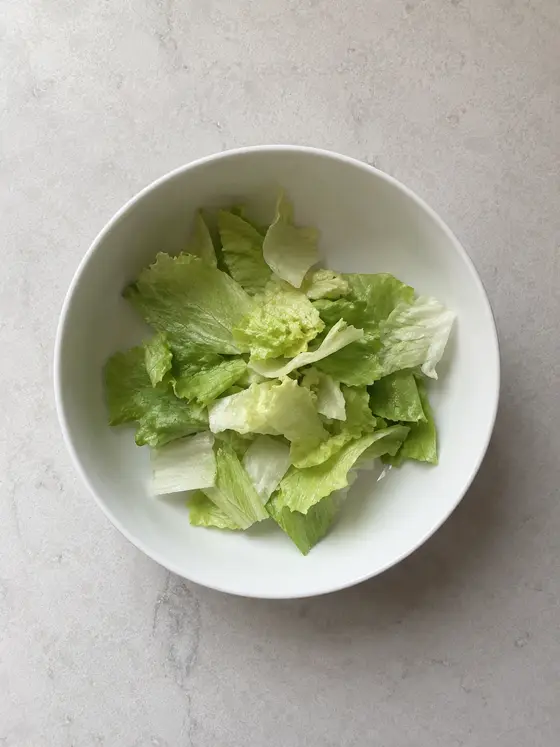
What this is based on.
- 01Dietary Guidelines for Americans. Estimated daily calorie needs and balanced meal patterns.
- 02Academy of Nutrition and Dietetics. Guidance on meal composition, protein, and satiety.
- 03National Institutes of Health / NIDDK. Background on energy balance and healthy eating patterns.
Questions, answered.
Keep reading.
Right-size every plate.
calorietrack.ai. Snap your lunch to see its calories instantly and keep the day on target. Free on the web, no signup.