How many caloriesper meal?
The simplest way to find calories per meal is to divide your daily calorie target by the number of meals you eat. At common targets that lands around 375 to 830 calories per meal, though you can weight meals unevenly to match your appetite and schedule.
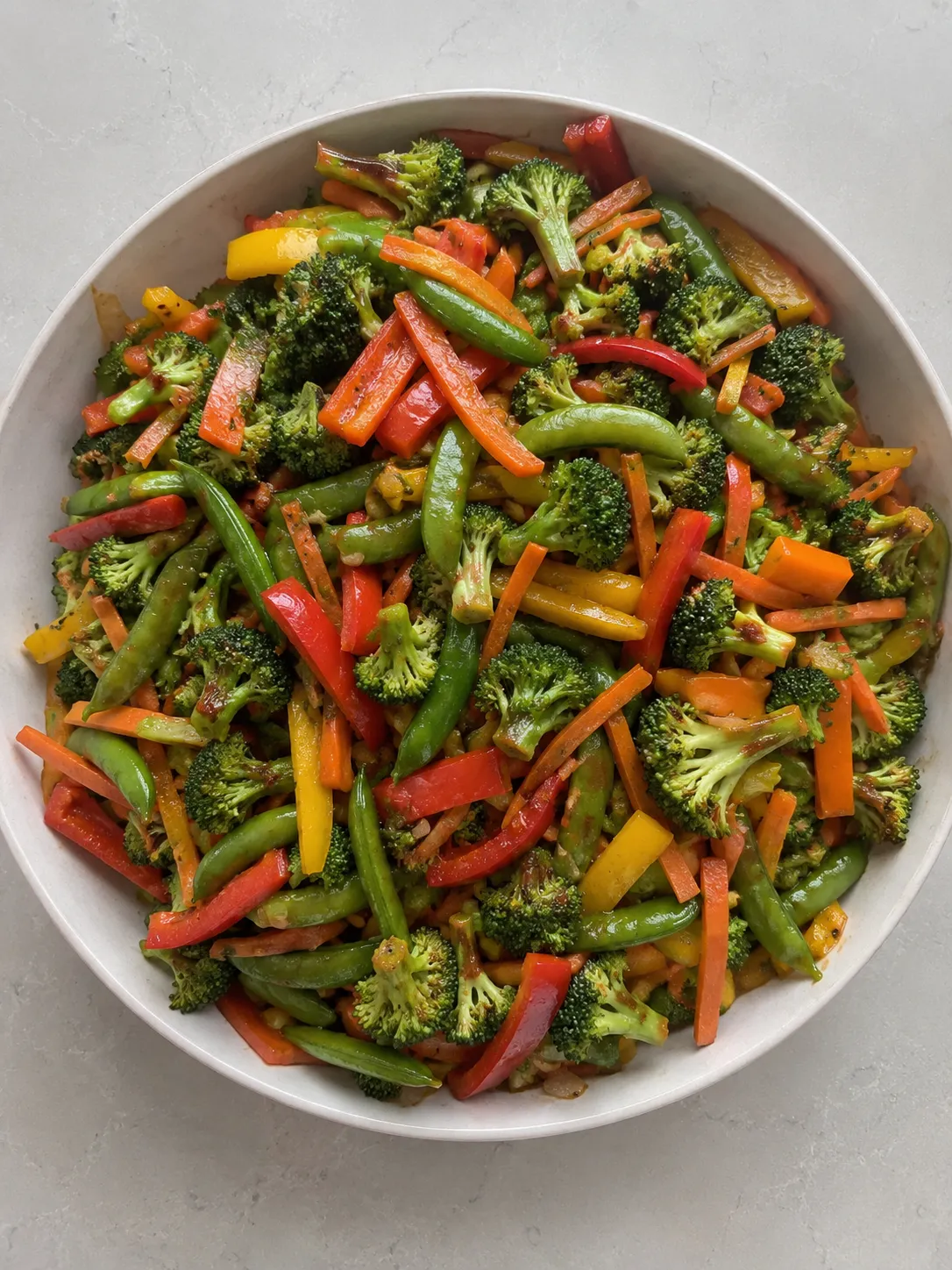
Calories per meal is easy to work out: take your daily calorie target and divide it by how many meals you eat. On a 2,000-calorie day with three meals, that is about 670 calories each. With four meals, closer to 500. The math is that direct.
An even split is only a starting point, though. Most people eat some meals bigger than others, and that is fine. What governs weight is the daily total, so you can shift calories toward the meals you enjoy most as long as the day adds up.
Below are worked examples at 1,500, 2,000, and 2,500 calories across three and four meals, plus how to adjust the split around snacks, workouts, and personal preference so the numbers fit your real life.
The simple formula
Per-meal calories equal your daily target divided by your number of meals. If you eat three meals a day, divide by three; if you fit in four, divide by four. That gives an even baseline you can then nudge up or down.
Snacks count too. If you like a couple of snacks, either treat them as extra small meals in the division or set aside a chunk of the daily total for them first and split the rest across your main meals. Either way, the goal is a plan where the meals and snacks together hit your daily number.
Worked examples at 1,500, 2,000, and 2,500 calories
Here is what an even split looks like at three common daily targets. At 1,500 calories, three meals is about 500 each, or roughly 375 across four meals. At 2,000 calories, three meals is about 670 each, or 500 across four. At 2,500 calories, three meals is about 830 each, or roughly 625 across four.
These are baselines, not rules. Many people run a lighter breakfast and a larger dinner, or the reverse, and simply borrow calories from one meal to spend on another. The table below lays out the even splits so you have a reference point to adjust from.
- Three meals: divide the daily target by three.
- Four meals: divide by four for smaller, more frequent eating.
- Reserve calories for snacks before splitting if you snack often.
- Shift calories toward the meal you enjoy most; the daily total is what counts.
Adjusting the split to real life
An even split rarely matches how people actually eat, and that is okay. If you train in the evening, you might want a bigger pre or post-workout meal. If mornings are rushed, a lighter breakfast and heartier lunch and dinner may suit you better. Build the split around your hunger and schedule.
The one thing to keep steady is the daily total, ideally within a reasonable weekly pattern. A day that runs a little over or under evens out over the week, so aim for consistency across days rather than perfection at every single meal.
Does meal frequency affect weight?
For weight, total daily calories matter much more than how many meals you spread them across. Eating three, four, or five times a day can all work; the choice comes down to what keeps you full, fits your routine, and helps you stick to your target.
Where frequency can help is satiety and energy. Some people feel steadier with smaller, more frequent meals, while others prefer fewer, larger ones. Pick the pattern you can sustain, then use the simple division to size each meal within your daily total.
| Daily target | 3 meals | 4 meals |
|---|---|---|
| 1,500 cal | ~500 cal | ~375 cal |
| 2,000 cal | ~670 cal | ~500 cal |
| 2,500 cal | ~830 cal | ~625 cal |
Get your daily target
Estimate your daily calorie needs, then divide by your number of meals to find a per-meal number that fits.
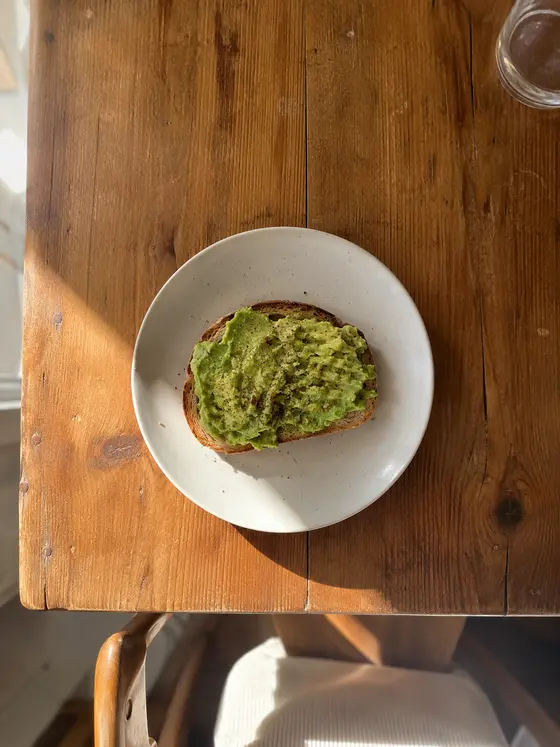
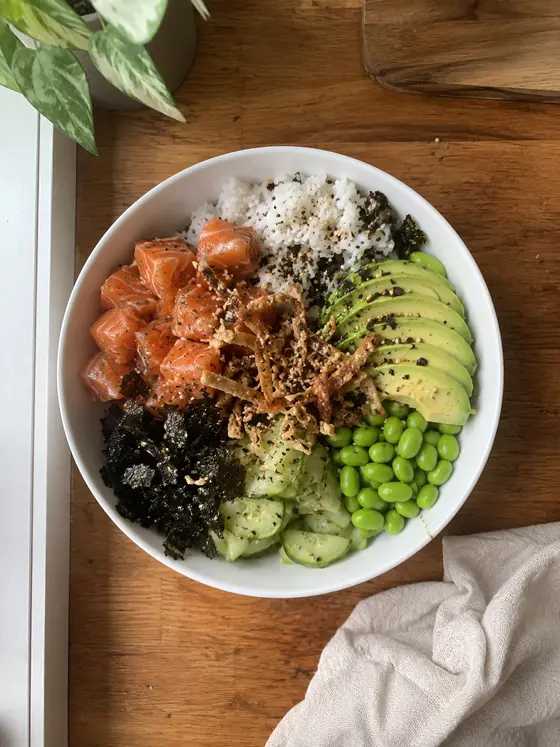
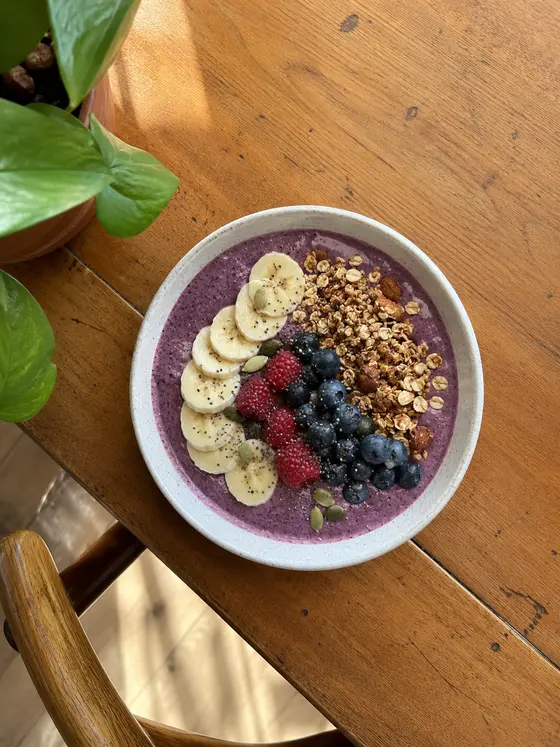
Open the calculatorLog it by snapping a photo.




What this is based on.
- 01Dietary Guidelines for Americans. Estimated daily calorie needs and balanced eating patterns.
- 02Academy of Nutrition and Dietetics. Guidance on meal frequency, portioning, and satiety.
- 03National Institutes of Health / NIDDK. Background on energy balance and total daily intake.
Questions, answered.
Keep reading.
Every meal, on target.
calorietrack.ai. Snap a plate to see its calories instantly and keep each meal in range. Free on the web, no signup.